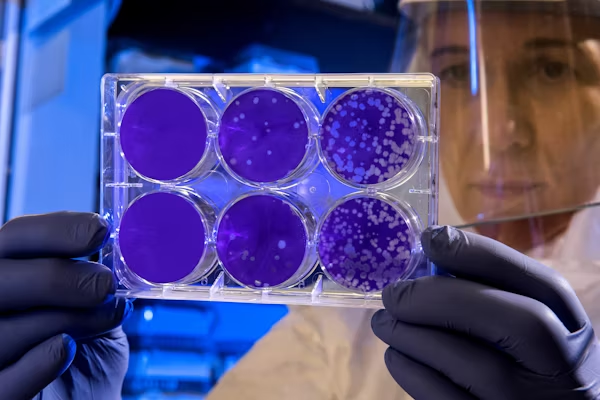
In the fast-changing world of cancer treatment, a new method is developing—nanorobots for precise cancer therapy. These tiny machines, built at the nanoscale, aim to change the way we fight cancer by delivering drugs straight to tumor locations with remarkable accuracy, reducing harm to healthy tissues. This innovation not only hopes to improve treatment effectiveness but also gives patients a less invasive option compared to standard chemotherapy.
What Are Nanorobots for Cancer Therapy?
Nanorobots are tiny, programmable devices designed to travel through the bloodstream and locate cancer cells using advanced recognition systems. Unlike conventional chemotherapy that floods the entire body with drugs, nanorobots can carry and release therapeutic agents only when they reach the tumor microenvironment. This precision-targeted method significantly reduces systemic side effects, making cancer treatments potentially safer and more effective.

How Do They Work?
Developed using cutting-edge nanotechnology and robotics, these devices are crafted from biocompatible materials that safely circulate within the body. Integrated sensors and AI algorithms help the nanorobots identify specific biomarkers unique to cancer cells. Once they reach the target site, they release controlled doses of chemotherapy drugs—maximizing the therapeutic impact while protecting surrounding healthy cells.
Advantages of Targeted Nanorobot Therapy
Precision Delivery:
Nanorobots deliver drugs exclusively to tumor cells, reducing collateral damage and minimizing common chemotherapy side effects like nausea and hair loss.
Minimally Invasive:
Administered via a simple injection, nanorobot therapy eliminates the need for extensive surgeries, resulting in shorter recovery times and lower risk of complications.
Enhanced Efficacy:
By concentrating high doses of medication directly at the tumor site, this approach can accelerate tumor shrinkage and improve overall treatment outcomes.
Personalized Medicine:
The programmable nature of nanorobots enables customization for each patient’s unique cancer profile, paving the way for truly personalized treatment plans.
Clinical Impact and Future Directions
As researchers refine nanorobot technology, the focus is shifting toward translating laboratory success into clinical reality. Pilot studies and early-stage trials have begun to validate the safety and feasibility of these devices in real-world settings. Collaborative efforts between nanotechnologists, oncologists, and AI specialists are enhancing the design and functionality of nanorobots, ensuring they perform reliably within the complex human body.
Emerging evidence suggests that these devices not only deliver drugs with unprecedented precision but also have the potential to integrate seamlessly with existing digital health ecosystems. This integration is critical for monitoring patient response and adjusting therapies in real time, ultimately leading to improved patient outcomes. Industry leaders and healthcare innovators are now working to address manufacturing and regulatory challenges, setting the stage for the first comprehensive clinical trials in the near future.
The momentum behind nanorobot research continues to build as interdisciplinary collaborations expand. With sustained investment and focused regulatory pathways, experts are optimistic that nanorobot therapy will soon become an integral component of precision oncology—ushering in a new era of personalized, minimally invasive cancer care.
Want to stay informed on the latest in healthcare? Subscribe to the UpNEXHeath blog and get notified when new articles are published!
FAQs –
What are nanorobots in cancer therapy?
They are tiny, programmable devices designed to navigate the body and deliver chemotherapy drugs directly to tumor sites, enhancing precision and reducing side effects.
How do nanorobots identify cancer cells?
They are equipped with sensors and AI algorithms that recognize specific biomarkers on cancer cells, ensuring that drugs are released only when they reach the tumor.
What are the benefits of using nanorobots over traditional chemotherapy?
Nanorobot therapy targets cancer cells more precisely, minimizes systemic side effects, is less invasive, and allows for personalized treatment plans.
Are nanorobot therapies available for patients now?
Currently, they are in advanced research and early testing phases. Clinical trials and regulatory approvals are needed before widespread clinical adoption.
What is the future potential of nanorobot-based cancer treatment?
With ongoing interdisciplinary collaboration and technological advancements, nanorobot therapy could revolutionize cancer care by offering highly effective, minimally invasive, and personalized treatment options.




Leave a Reply