
In the world of medical innovation, the tiniest devices can sometimes make the biggest difference. Introducing the world’s smallest pacemaker, so small it fits inside the tip of a syringe and is powered by light. This rice sized pacemaker, developed by researchers at Northwestern University, promises to revolutionize cardiac care, especially for children born with congenital heart defects and patients recovering from heart surgery. But what makes this device so unique, and why does its size matter? Let’s dive into the technology behind the world’s smallest pacemaker and what it means for the future of healthcare.
What Is the World’s Smallest Pacemaker?
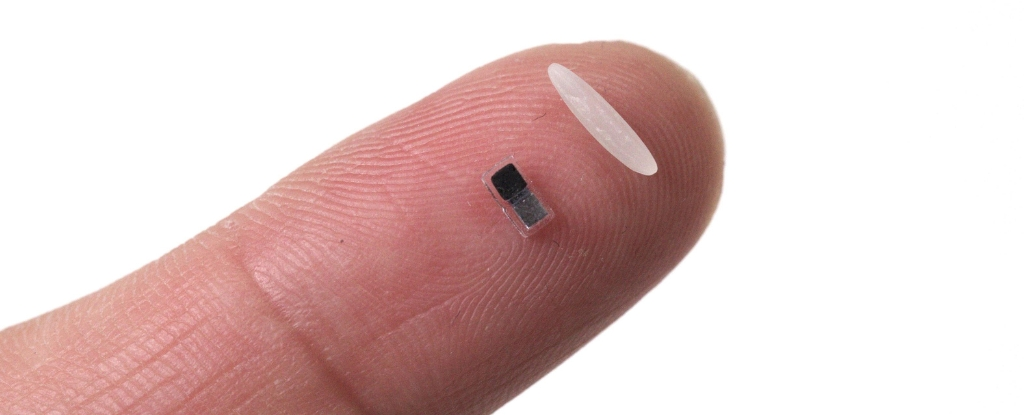
Imagine a pacemaker smaller than a single grain of rice (just 1.8 millimeters wide, 3.5 millimeters long, and 1 millimeter thick). That’s the size of this device, which is capable of controlling the heartbeat in patients who need temporary pacing. Unlike traditional pacemakers, which require surgery and external wires, this new pacemaker is injected directly into the body using a syringe. It works by receiving light signals from an external wearable patch that is placed on the patient’s chest.
The real magic behind this tiny pacemaker lies in its wireless nature. Powered by a special light pulse, the pacemaker does not require the external wires or bulky batteries of traditional pacemakers. Instead, the device uses an innovative light-activated system and is completely biodegradable. After the pacemaker has completed its task, it dissolves naturally into the body, eliminating the need for further invasive surgeries.
The Technology Behind the Tiny Pacemaker
Light-Based Activation.
At the core of this tiny pacemaker’s functionality is the use of light to activate its pacing abilities. The pacemaker is paired with a small wearable patch that monitors the patient’s heartbeat. If an irregular heartbeat is detected, the patch emits a light pulse that penetrates the skin and activates the pacemaker. This pulse triggers the pacemaker to deliver electrical signals to the heart, helping restore its normal rhythm.
The use of infrared light, which can penetrate deep into the body, makes it possible to transmit these signals without the need for physical connections. This technology offers a safer, non-invasive alternative to traditional pacemakers, which often require wires that exit the body and can sometimes cause complications during removal.
Bioresorbable Materials.
One of the standout features of the world’s smallest pacemaker is its bioresorbable nature. The device is made from materials that naturally dissolve in the body after they have served their purpose. This eliminates the need for a second surgery to remove the pacemaker, which is often necessary with traditional pacemakers. For patients recovering from surgery, this aspect of the pacemaker is a major advancement, especially for those who are too fragile for additional invasive procedures.
Why Size Matters in Medical Devices
For many patients, especially newborns and young children with congenital heart defects, size matters when it comes to medical devices. Traditional pacemakers can be bulky and may not be suitable for the tiny hearts of infants. The size of the world’s smallest pacemaker makes it especially valuable for pediatric patients. By using this device, doctors can provide temporary pacing without the risk of harming delicate heart tissues.
Additionally, this pacemaker’s small size enables it to be inserted into the body with minimal disruption. Compared to current devices, which involve stitching electrodes onto the heart and connecting them to an external power source, the tiny pacemaker significantly reduces trauma to the body, making recovery faster and safer for patients.
Applications of the World’s Smallest Pacemaker
Pediatric Heart Surgery: The primary application of this pacemaker is in pediatric heart surgery. Approximately 1% of children are born with congenital heart defects, and many require a temporary pacemaker after surgery to ensure their hearts beat properly during recovery. In the past, the only option was to implant a temporary pacemaker that involved external wires, which posed risks of infection, tissue damage, and other complications. This new pacemaker provides a safer, non-invasive alternative for children, giving them a better chance of a smooth recovery.
Adult Heart Surgery and Recovery: While the pacemaker is particularly beneficial for children, it also has applications for adults recovering from heart surgery. Temporary pacemakers are often used to restore normal heart rhythms in patients after procedures like bypass surgery or valve replacements. By offering a smaller, non-invasive alternative, this pacemaker could reduce recovery times and improve patient outcomes.
Potential for Other Medical Applications: Beyond its use in cardiac care, the technology behind this pacemaker has the potential to revolutionize other areas of medicine. For example, it could be used in nerve regeneration, wound healing, and even pain management. As medical technology continues to evolve, devices like this pacemaker could pave the way for more personalized, less invasive treatments in a variety of healthcare settings.
The Future of Pacemakers and Cardiac Care
As promising as this pacemaker is, it is still in the early stages of development. Researchers are currently testing the device in animal models, and human trials are expected in the next few years. If successful, this technology could change the way we think about cardiac care, offering a safer, more efficient option for patients in need of temporary pacing.
The world’s smallest pacemaker represents just the beginning of what is possible in the realm of bioelectronic medicine. With its ability to dissolve after use and its potential applications beyond cardiology, this device could be the first step toward more advanced, minimally invasive medical treatments in the future.
Want to stay informed on the latest in healthcare? Subscribe to the UpNEXHeath blog and get notified when new articles are published! Or check out our latest article!
FAQs –
What is the world’s smallest pacemaker?
The world’s smallest pacemaker is a tiny, wireless device that is smaller than a grain of rice and can be injected into the body using a syringe. It is powered by light and can dissolve naturally into the body after it is no longer needed.
How does the pacemaker work?
The pacemaker works by receiving a light pulse from a wearable patch placed on the patient’s chest. If an irregular heartbeat is detected, the patch emits light, which activates the pacemaker to deliver electrical pulses to the heart to restore normal rhythm.
Why is this pacemaker so important?
This pacemaker is especially important for patients, particularly children, who need temporary pacing after heart surgery. Its small size, bioresorbable materials, and non-invasive nature make it a safer and more efficient option compared to traditional pacemakers.
Can this pacemaker be used for adults?
Yes, while the pacemaker is particularly valuable for pediatric patients, it can also be used in adults recovering from heart surgery or other procedures that affect heart rhythm.
What are the advantages of the bioresorbable pacemaker?
The key advantage of the bioresorbable pacemaker is that it dissolves naturally in the body after it has been used, eliminating the need for a second surgery to remove it. This reduces the risk of complications and promotes faster recovery for patients.
How will this technology impact the future of healthcare?
The development of the world’s smallest pacemaker could lead to advancements in other areas of medicine, including nerve regeneration, wound healing, and smart implants. The technology behind this pacemaker could open up new possibilities for non-invasive treatments and personalized healthcare.


 UPNEX HEALTH