In recent years, there’s been an increasing interest in developing effective contraceptive options for men. Traditionally, the responsibility of birth control has fallen largely on women, but researchers are now working to provide men with more choices as well. Enter the ADAM implant, a non-hormonal and reversible male contraceptive that has the potential to revolutionize family planning for men.
What is the ADAM Implant?
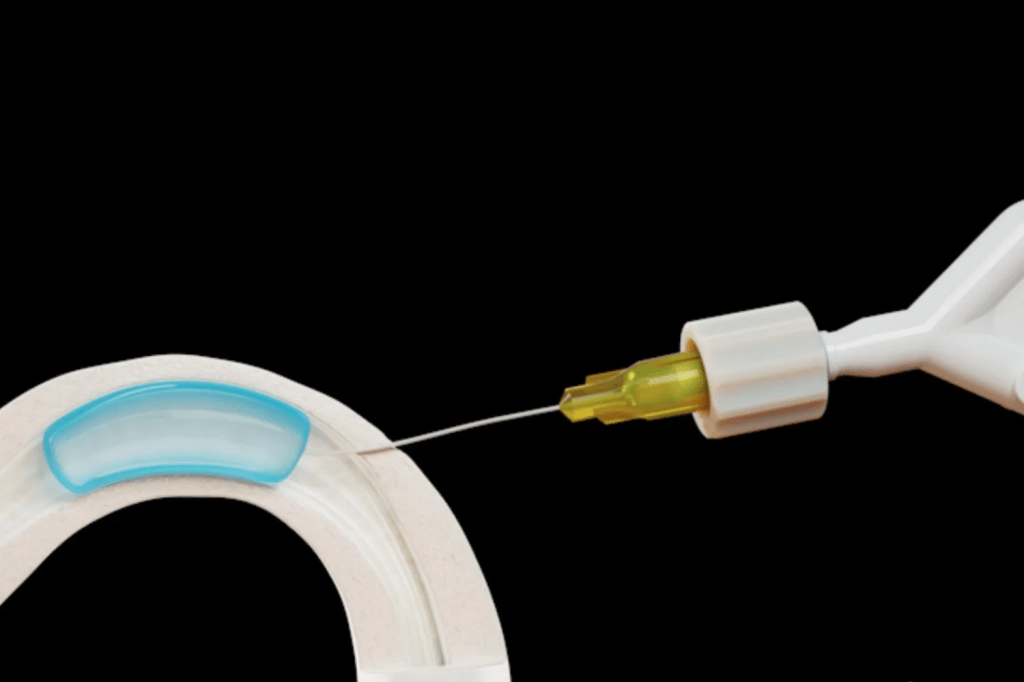
The ADAM implant is a non-hormonal male contraceptive developed by the company Contraline. Unlike traditional contraceptives like condoms or vasectomies, this implant works by physically blocking the sperm ducts, preventing sperm from mixing with semen during ejaculation.
The implant is made of a water-soluble hydrogel, which is inserted into the sperm ducts (also called vas deferens) through a minimally invasive procedure.
The product has been shown to offer men an effective, reversible alternative to permanent options like vasectomies. But what makes it stand out is its reversibility, after a set period, the hydrogel naturally dissolves, restoring fertility. Let’s dive in a little further (no pun intended).
How Does the ADAM Implant Work?
The implant is placed into the vas deferens, the tube that carries sperm from the testicles to the urethra. As stated before, this implant contains a hydrogel that blocks the passage, preventing sperm from mixing with semen. After about two years, the hydrogel naturally breaks down in the body, allowing sperm to flow freely once again.
This method offers several advantages over traditional male contraception methods like condoms, which must be used during each sexual encounter, or vasectomies, which are permanent and involve a surgical procedure. The ADAM implant is expected to fill a significant gap in the contraception landscape, offering a temporary, low-maintenance option for men.
The Clinical Trials: What the Results Show
Contraline has made significant progress with the implant. The phase 1 clinical trial involved 25 participants, and the results have been promising. The implant successfully prevented sperm from being detected in the semen of the two participants who have completed the full two-year duration.
Key Findings from the Phase 1 Trial:
- The implant blocked sperm release for at least two years without major side effects.
- No serious adverse events were reported in the trial.
- The procedure to insert the implant took just 10 minutes and was minimally invasive, with local anesthesia used to ensure patient comfort.
Contraline has since received approval to begin phase 2 of the clinical trial, which will expand to include more participants. The company hopes that this next phase will further validate the safety and effectiveness of the implant.
Advantages of the ADAM Implant Over Other Methods
Reversibility: Unlike permanent methods such as vasectomies, the implant can be reversed after its two-year duration. This makes it a less permanent and more flexible option for men who may want children in the future.
Non-hormonal: The implant is non-hormonal, making it a safer alternative for men who want to avoid the potential side effects of hormone-based contraceptives, which are often seen in female birth control pills.
Minimal Invasiveness: The implant is inserted using a quick, minimally invasive procedure that requires only local anesthesia, reducing recovery times compared to traditional surgeries.
Long-Term Effectiveness: The implant offers men a long-term solution, lasting for up to two years, providing peace of mind for those who prefer long-term contraception without the hassle of regular use, like condoms.

What the Future Holds: Potential and Challenges
While the ADAM implant offers exciting potential, there are still many questions that remain to be answered. The key concerns include:
- Reversibility and Long-Term Data: While the initial trial results are promising, it’s important to gather more long-term data to better understand how effectively the implant performs over time. There also needs to be further investigation on any potential unforeseen side effects that may arise after repeated implantations or extended usage.
- Social Acceptance: Historically, many men have opted for traditional methods like condoms or permanent sterilization over male contraception, which has been less popular. The introduction of non-hormonal male contraceptives might challenge social and cultural norms, but it remains to be seen whether men will adopt this method on a large scale.
- Cost and Accessibility: The cost of the implant and its availability will be a crucial factor in its adoption. If priced too high, it may limit accessibility, especially in lower-income regions.
Despite these challenges, the ADAM implant marks a groundbreaking advancement in male contraception, holding the potential to revolutionize family planning.
Want to stay informed on the latest in healthcare? Subscribe to the UpNEXHeath blog and get notified when new articles are published! Or check out our latest article!
FAQs –
How long does the ADAM implant last?
The ADAM implant lasts for two years, after which it dissolves naturally in the body, and fertility is restored.
How is the ADAM implant inserted?
The implant is inserted into the vas deferens through a minimally invasive procedure that takes about 10 minutes. Local anesthesia is used, so the patient remains awake during the process.
Is the ADAM implant reversible?
Yes, the ADAM implant is reversible. After the hydrogel dissolves, fertility is restored, making it a temporary form of contraception.
What are the side effects of the ADAM implant?
According to current trials, no serious adverse effects have been reported. However, as with any medical procedure, some mild discomfort or swelling may occur post-insertion.
Can I get the ADAM implant if I’ve had a vasectomy?
The ADAM implant offers an alternative to vasectomies. If you have previously had a vasectomy, you may be eligible for the implant, but it’s always best to consult with your healthcare provider for personalized advice.
Will the ADAM implant be available worldwide?
The ADAM implant is currently in clinical trials, but the company plans to expand its availability globally once all necessary approvals are obtained.


 UPNEX HEALTH