In the ever-evolving landscape of cancer therapies, a breakthrough in photodynamic therapy (PDT) is lighting the way toward safer and more effective treatments. Researchers have unveiled an innovative approach, found from studies on mice, that harnesses light-sensitive chemicals—known as cyanine-carborane salts—to target and obliterate aggressive breast cancer tumors with unprecedented precision. This promising development from collaborative teams at the University of California, Riverside and Michigan State University could redefine how we approach metastatic cancers.
Illuminating the Science of Photodynamic Therapy
Photodynamic therapy has been a promising treatment for patients with specific cancers, like skin and bladder cancers. This technique uses light-sensitive agents that gather mainly in cancer cells. When light activates these agents, they create reactive oxygen molecules—similar to tiny biochemical explosions—that kill cancer cells from the inside while leaving healthy tissue unharmed.
However, traditional PDT has its share of challenges:
Off-Target Toxicity: The lack of precise targeting can sometimes harm healthy cells, leading to unwanted side effects.
Extended Light Sensitivity: FDA-approved agents often linger in the body, forcing patients to avoid light exposure for months.
Limited Tissue Penetration: Traditional treatments often have trouble reaching deep tumors because the light used to activate them does not penetrate very far into the tissue.

Photodynamic Therapy (PDT) for the treatment of skin cancer on the leg. Image Credits: RapidEye
The Breakthrough: Cyanine-Carborane Salts
Recent research has introduced cyanine-carborane salts as an innovative alternative. These novel compounds have been engineered to overcome many of the limitations inherent in traditional PDT:
Rapid Clearance: Unlike conventional agents, cyanine-carborane salts are quickly eliminated from the body, lingering only in the tumor cells that require treatment. This means patients may not need to endure prolonged periods of light sensitivity.
Enhanced Targeting: These salts take advantage of a natural weakness in cancer cells by being more easily absorbed by proteins that are found in higher amounts in tumors. This built-in targeting helps to lower the chance of damaging healthy tissue.
Deeper Tissue Reach: Activation by near-infrared light allows these compounds to penetrate deeper into the body, opening new avenues for treating cancers that were previously out of reach with standard PDT techniques.
Dr. Vincent Lavallo of UCR and Professor Sophia Lunt from MSU, among other experts, have highlighted that this targeted approach not only increases the effectiveness of the treatment but also minimizes collateral damage to healthy cells. Their coordinated research is propelling this therapy from promising preclinical results toward the potential for clinical trials, marking a significant step forward in targeted cancer treatment.
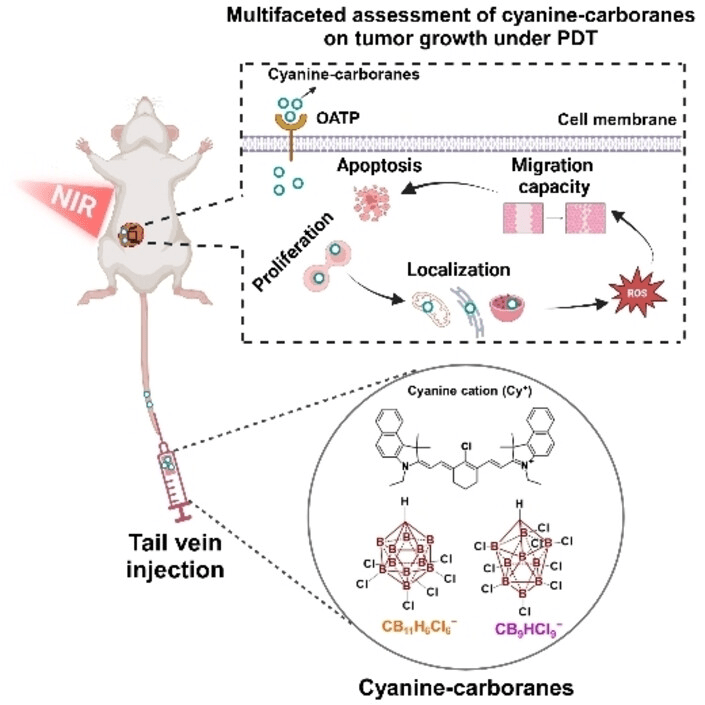
Image Credits: Roshanzadeh et al.
The Future of Cancer Therapy
The implications of this breakthrough are profound. As researchers continue to refine the technology, there is hope that this method could be adapted to treat a broader range of cancers. The potential to modify these salts for activation by alternative energy sources could revolutionize the scope of non-invasive cancer therapies, offering new hope to patients with cancers that currently have limited treatment options.
This important finding not only offers the potential to enhance cancer treatment in the future but also acts as a source of hope for those fighting this challenging disease.
Want to stay informed on the latest in healthcare? Subscribe to the UpNEXHeath blog and get notified when new articles are published!
FAQs –
What is photodynamic therapy (PDT)?
PDT is a treatment method that uses light-sensitive chemicals to target and destroy cancer cells. Once the chemicals accumulate in the tumor, they are activated by light to produce reactive oxygen species that kill the cancer cells.
What are cyanine-carborane salts?
Cyanine-carborane salts are a new class of light-sensitive compounds designed to target cancer cells more precisely. They rapidly clear from the body except in tumor cells, reducing side effects and improving treatment accuracy.
How do these salts improve treatment compared to traditional PDT?
They offer faster clearance from the body, more precise targeting via natural cellular vulnerabilities, and the ability to be activated by near-infrared light, which penetrates deeper into tissues than conventional light sources.
Can this new treatment be used for cancers other than breast cancer?
While current research focuses on metastatic breast cancer, the targeting mechanism and deeper tissue penetration suggest potential applications in treating other aggressive cancers.
What are the next steps in this research?
Future studies aim to refine the use of cyanine-carborane salts, explore alternative activation methods, and broaden the scope of cancers that can be effectively treated with this technology.


 UPNEX HEALTH