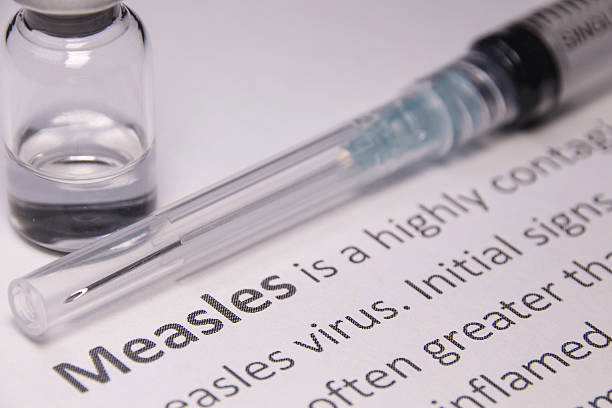
Recent measles outbreaks in parts of Texas have underscored a critical public health reminder: staying informed and taking preventive measures is essential to safeguard our families.
In this blog, we provide evidence‐based, fact‐driven guidelines to help you protect your loved ones during a measles outbreak. All information is drawn from reputable sources and peer-reviewed evidence. Feel free to attach any additional information you have and find in the comments section!
What Is Measles?
Measles is a highly contagious viral disease that spreads primarily through respiratory droplets when an infected person coughs or sneezes. Key characteristics include:
Contagiousness: Up to 90% of unvaccinated individuals exposed to the virus may become infected, and the virus can linger in the air for up to two hours after an infected person leaves an area.
Symptoms: High fever, cough, runny nose, red and watery eyes, and a characteristic rash that typically starts on the face before spreading downwards. Some patients may also develop small white spots (Koplik spots) inside the mouth.
Incubation Period: Symptoms usually appear 10 to 14 days after exposure.
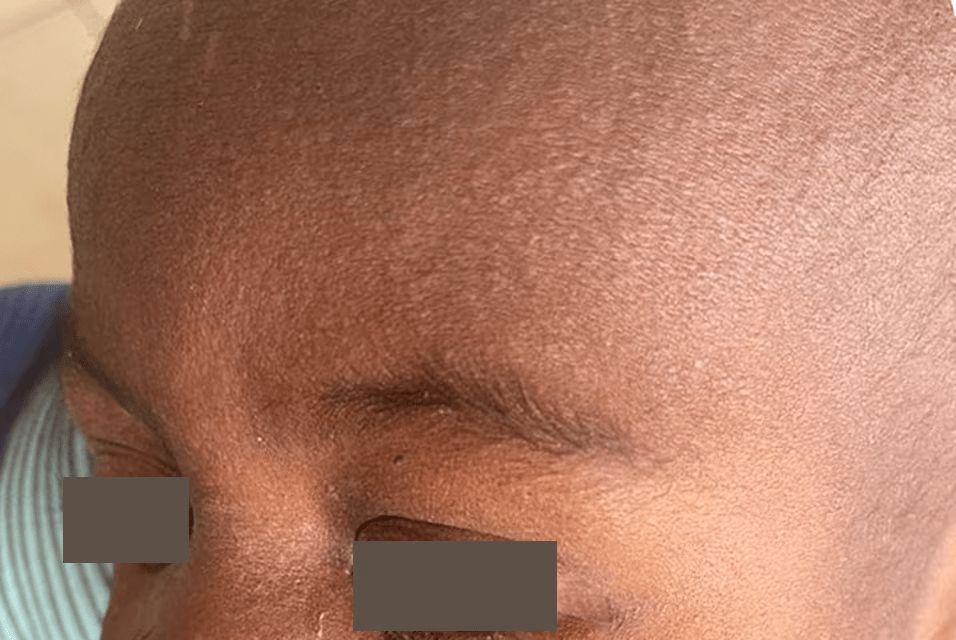
Measles rash on a child’s face. Image Credits: CDC Public Health Image Library (PHIL) / Public Domain
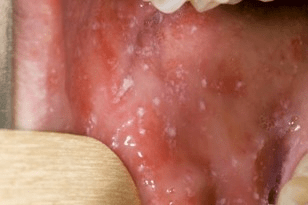
Interior of the mouth with small white lesions, commonly referred to as Koplik spots. These spots are an early indicator of measles infection and typically appear on the buccal mucosa before the measles rash develops. Image Credits: CDC Public Health Image Library (PHIL) / Public Domain
Texas Measles Outbreak: What’s Happening?
In early 2025, health officials in West Texas reported an outbreak that has rapidly escalated over the past few weeks. Key points include:
- Initial Cases: The outbreak began with reported cases in Gaines County around January 29, 2025.
- Current Status: As of mid-February 2025, the Texas Department of State Health Services (DSHS) has confirmed 58 cases across five counties (including Gaines, Terry, Yoakum, Lubbock, and Lynn) with 13 hospitalizations. The majority of cases have been among children and unvaccinated individuals.
- Community Impact: Certain communities, particularly those with low vaccination rates, such as in parts of the Mennonite community, are being hit hardest. The outbreak is the worst in Texas in over 30 years.
- Public Health Response: In response, local health authorities have established vaccination clinics, increased public awareness efforts, and are urging residents to verify their vaccination status.
The Measles Timeline: A Brief Historical Perspective
Understanding the historical context of measles can help illustrate the importance of vaccination and prompt action during outbreaks.
Pre-Vaccine Era:
Before the introduction of the measles vaccine in the early 1960s, measles was one of the most common childhood diseases. Millions of cases were reported annually in the United States, leading to significant morbidity and mortality.
1963 – Introduction of the MMR Vaccine:
The measles, mumps, and rubella (MMR) vaccine revolutionized public health. Its introduction drastically reduced the incidence of measles and related complications.
2000 – Declaration of Measles Elimination:
Thanks to high vaccination coverage, measles was declared eliminated in the United States in 2000. This status was achieved by interrupting the continuous transmission of the virus for more than 12 months.
Recent Years – Resurgence in Pockets:
Despite previous successes, measles has seen a resurgence in areas with low vaccination rates. Since around 2010, sporadic outbreaks have been reported, particularly in communities with high vaccine exemptions.
2019 – Notable Resurgence:
Several states experienced significant outbreaks, with thousands of cases reported nationally. This resurgence served as a wake-up call to many public health officials.
2025 Texas Outbreak:
The recent outbreak in West Texas, with 58 confirmed cases as of mid-February 2025, is the largest in the state in over 30 years. This outbreak is primarily driven by declining vaccination rates and underscores the ongoing risk measles poses when herd immunity wanes.
How Does Measles Spread?
Measles spreads via:
- Airborne Transmission: The virus is released into the air when an infected person coughs or sneezes, making enclosed or crowded spaces particularly risky.
- Surface Contamination: The virus can survive on surfaces, so regular cleaning and disinfection are vital.
- Close Contact: Prolonged exposure in households, schools, or public gatherings increases the risk of transmission.
The highly contagious nature of measles is a major reason why outbreaks can grow rapidly if preventative steps are not taken.
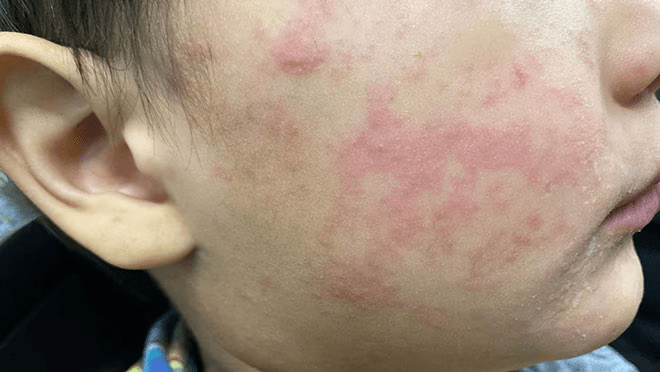
Measles rash on a child’s face. Image Credits: CDC Public Health Image Library (PHIL) / Public Domain
Who Is at Risk?
While measles can affect individuals of all ages, certain groups are more vulnerable:
- Unvaccinated Individuals: Those who have not received the measles-mumps-rubella (MMR) vaccine are at the highest risk.
- Young Children and Infants: Particularly those under 12 months who are not yet eligible for vaccination.
- Immunocompromised Persons: People with weakened immune systems due to illness or medication.
- Pregnant Women: Who may experience complications if they contract measles.
Being aware of these risk factors can help families and communities prioritize protection for those most vulnerable.
Key Preventive Measures
1. Vaccination: Your First Line of Defense
- The Most Effective Tool: The MMR vaccine is about 93% effective after one dose and approximately 97% effective after two doses
- Vaccination Schedule: The first dose is recommended at 12 to 15 months, with the second dose between 4 and 6 years. Adults at high risk should consult their healthcare provider about receiving a booster.
- Herd Immunity: High vaccination coverage (ideally at or above 95%) protects even those who cannot be vaccinated, such as infants or immunocompromised individuals (Herd immunity occurs when a significant portion of a population becomes immune to a disease, making its spread unlikely and providing indirect protection to those who are not immune).
2. Rigorous Hygiene Practices
- Hand Washing: It’s crucial to wash your hands frequently with soap and water for at least 20 seconds, especially after being in public spaces. To learn how to wash your hands properly, check out this educational video: Watch Now
- Respiratory Etiquette: Always cover your mouth and nose with a tissue or your elbow when you cough or sneeze. Dispose of tissues safely. In highly crowded areas, consider wearing a mask or face covering to reduce the risk of exposure.
- Surface Disinfection: Regularly clean and disinfect high-touch surfaces like doorknobs, countertops, and electronic devices.
3. Limiting Exposure
- Stay Informed: Follow updates from local health departments and trusted news sources about measles outbreaks in your area.
- Avoid Crowded Areas: During an outbreak, minimize exposure to crowded or poorly ventilated spaces where the virus can spread easily.
- Isolation When Necessary: If any household member develops symptoms suggestive of measles, isolate them immediately to prevent further spread.
4. Immediate Action Following Exposure
- Seek Medical Advice: If you suspect exposure, contact your healthcare provider immediately. Receiving a booster shot within 72 hours of exposure may help prevent or mitigate the infection.
- Monitor for Symptoms: Keep a vigilant eye on early signs of measles, such as fever (generally considered a temperature of 100.4°F or 38°C and above), cough, and rash, and consult a healthcare professional if symptoms develop.
Additional Insights: The Broader Impact of Measles Outbreaks
Measles outbreaks highlight how crucial it is to keep vaccination rates high. Areas with many vaccine exemptions, such as parts of Texas, face a higher risk of these outbreaks. When fewer people get vaccinated, herd immunity weakens, which lets the virus spread more easily and increases the risk for vulnerable populations.
Public health experts emphasize that the resurgence of measles is not due to vaccine failure but rather to decreasing vaccination rates fueled by misinformation and vaccine hesitancy. Strengthening community education and ensuring that accurate, evidence-based information is widely available is essential for reversing these trends.
Want to stay informed on the latest in healthcare? Subscribe to the UpNEXHeath blog and get notified when new articles are published!
FAQs –
What are the early signs of measles?
Early symptoms include high fever (generally considered a temperature of 100.4°F or 38°C and above), cough, runny nose, and red, watery eyes. A rash typically develops 3–5 days after these initial symptoms begin.
How effective is the measles vaccine?
The MMR vaccine is approximately 93% effective after one dose and 97% effective after two doses, making it a critical tool in preventing measles outbreaks.
What are the potential side effects of receiving the MMR vaccine?
The MMR vaccine is considered safe and has been used for decades to prevent measles, mumps, and rubella. Most children experience only mild side effects that resolve on their own. These may include:
- A low-grade fever
- Mild rash
- Swelling or tenderness at the injection site
Less common side effects can include temporary joint pain (especially in older children and adolescents) or, very rarely, febrile seizures. Serious side effects are extremely rare. Health authorities emphasize that the benefits of the MMR vaccine far outweigh these minimal risks, and vaccination remains the most effective way to prevent these potentially serious diseases.
For more detailed information, please refer to the CDC’s resource on MMR vaccine safety:
CDC – MMR Vaccine Safety
Can vaccinated individuals still get measles?
Although rare, vaccinated individuals can sometimes contract measles; however, their symptoms are generally milder, and they are less likely to suffer severe complications.
What should I do if my child is exposed to measles?
Contact your pediatrician immediately. If exposure is recent (within 72 hours), receiving a booster may help prevent the disease or reduce its severity.
How long should someone with measles stay isolated?
Infected individuals should remain isolated from others from four days before the rash appears until four days after it disappears to minimize the risk of spreading the virus.
Are there any additional steps I can take to protect my family during an outbreak?
Beyond vaccination and hygiene practices, staying updated on local health advisories and limiting exposure to crowded environments are vital steps in protecting your family during a measles outbreak.


 UPNEX HEALTH