
Guest Article
Ruth Solomon, MD
Ruth Solomon, MD, Family Medicine Physician & Co-Founder of AprilMD
A family medicine physician sharing how direct primary care brings back longer visits, easier access, predictable costs, and a stronger doctor-patient relationship.
Remember when going to the doctor didn’t feel like a part-time job? No hours in the waiting room. No rushed seven-minute visit where you barely get your questions out. No shuffling of providers every visit – a new stranger to have to retell your story to, again. No mystery bill three weeks later that makes you want to lie down. No 3 month wait for a follow up visit. Remember those days?
That kind of care still exists. It’s called Direct Primary Care, or DPC, and it’s quietly becoming one of the most talked-about shifts in American healthcare. Here’s what it is, how it works, and why the numbers behind it are honestly pretty impressive.
SO, What Is Direct Primary Care, Exactly?
Think of it like a gym membership, but for your health. Instead of billing your insurance every time you see your doctor, you pay a flat monthly fee directly to the practice (no middle men here). That fee covers most of what you’d normally go to a primary care doctor for: checkups, sick visits, chronic condition management, or even texting your doctor when something feels off. Depending on your state, blood work, imaging, and even medications could also be included.
No insurance company sits in the middle. No claims. No copays. No surprise charges for “just asking a question.” You pay one predictable amount, and in exchange, you get a doctor who actually has room in their schedule for you.
That last part matters more than people realize. A traditional primary care doctor might be juggling 1500 to 2000 patients at once. A DPC doctor typically caps their patient panel at a few hundred. That’s the whole trick. Fewer patients means longer visits, faster answers, and a doctor who actually remembers your name and your history without checking a chart first.

Why This Model Actually Works Better for Patients
It’s easy to be skeptical of anything that sounds like a marketing pitch, so let’s look at what’s actually been measured.
Research on DPC practices has found lower hospital admissions and emergency room visits compared to traditional insurance-based care, with reductions of around 20 percent for admissions and over 40 percent for ER visits. A separate national analysis of DPC populations found even bigger gaps, with patients experiencing roughly 35 percent fewer hospitalizations, 65 percent fewer ER visits, 66 percent fewer specialist visits, and 82 percent fewer surgeries than similar patients in a traditional insurance based model.
Why would talking to your doctor more, lead to fewer surgeries and hospital stays (sounds too easy right)? Because most health problems don’t come out of nowhere. They build slowly, and they’re easiest to catch early, when a conversation can redirect things before they turn into a 2 a.m. Urgent Care or ER trip. When you can actually get in to see your doctor, you catch the small stuff before it becomes big stuff. That’s the entire philosophy behind preventive medicine, and DPC is basically built to make it possible. Unfortunately, over the years, health insurance companies have made it so difficult for your doctor to do the easiest thing to keep patients healthier.
For families managing chronic conditions, the model has shown benefits too. One study on DPC patients with diabetes found they were 39% more likely to have their blood sugar levels well controlled when compared to patients in standard insurance-based care. And in pediatric DPC practices that utilize virtual visits, families reported extremely high satisfaction, with patient satisfaction scores landing at 98 out of 100.
And Yes, It Actually Saves Money
Here’s where it becomes more notable for anyone who is tired of watching their paycheck eaten away by premiums and deductibles.
Because DPC strips out the insurance company as a middleman, a huge chunk of overhead for doctor’s offices disappears. No billing departments arguing with insurers for months. No administrators or plan specialists trying to determine what coverage patients actually have. No extra staff to complete prior authorizations for denied treatments. That savings gets passed straight to you the patient. Most DPC memberships run somewhere around $70 to $200 a month (depending on where you live), which is well below what many people pay just in copays alone under traditional plans.
The savings show up in bigger ways too. Employers who’ve added DPC options for their teams have seen positive results too. One Georgia boat manufacturer with over 600 employees enrolled in DPC care saved more than $1 million over two years by cutting down on ER visits, hospital stays, and specialist costs. Another case study found a DPC-based health plan led to roughly 40% lower emergency room use and 6 – 19% lower overall claims costs compared to a traditional PPO plan.
Even on the individual side, avoiding just a couple of unnecessary ER visits or urgent care trips a year can cover the entire cost of a DPC membership. And unlike insurance premiums, that monthly fee doesn’t creep up every year without explanation. Not to mention the deductible, out of pocket max, co-pays, and cost sharing that always leaves you with sticker shock. With DPC you know exactly what you’re paying for and exactly what you’re getting for it.
The Catch (because nothing in life is perfect)
To be fair, DPC isn’t a full replacement for insurance. It covers primary care, not surgeries, hospital stays, or specialist care. Most people pair a DPC membership with a low-cost, high-deductible insurance plan (take advantage of those HSA dollars) or a health-sharing plan (which is not insurance) to cover the big, unpredictable stuff. Think of DPC as handling the 90% of your healthcare that’s routine and predictable, while a backup plan handles the rare, expensive 10%.
The Bottom Line
Direct Primary Care isn’t a gimmick or a trend for people who just like paying extra for “premium” service. It isn’t solely for the rich or for those with connections like concierge medicine. It’s a return to something healthcare used to be before insurance companies became the ones deciding how much time a doctor could spend with you. Shorter waits. Longer visits. A doctor who knows your name – your story. And, according to the research, genuinely better outcomes and real savings to go along with it.
If you’ve ever left a doctor’s appointment more confused than when you walked in, or gotten a bill in the mail that made no sense at all, it might be worth asking yourself if you’re ready to explore other options. To find a Direct Primary Care Doctor I recommend using the DPC frontier mapper: https://mapper.dpcfrontier.com.
Your future self, and your wallet, may thank you.
Written by
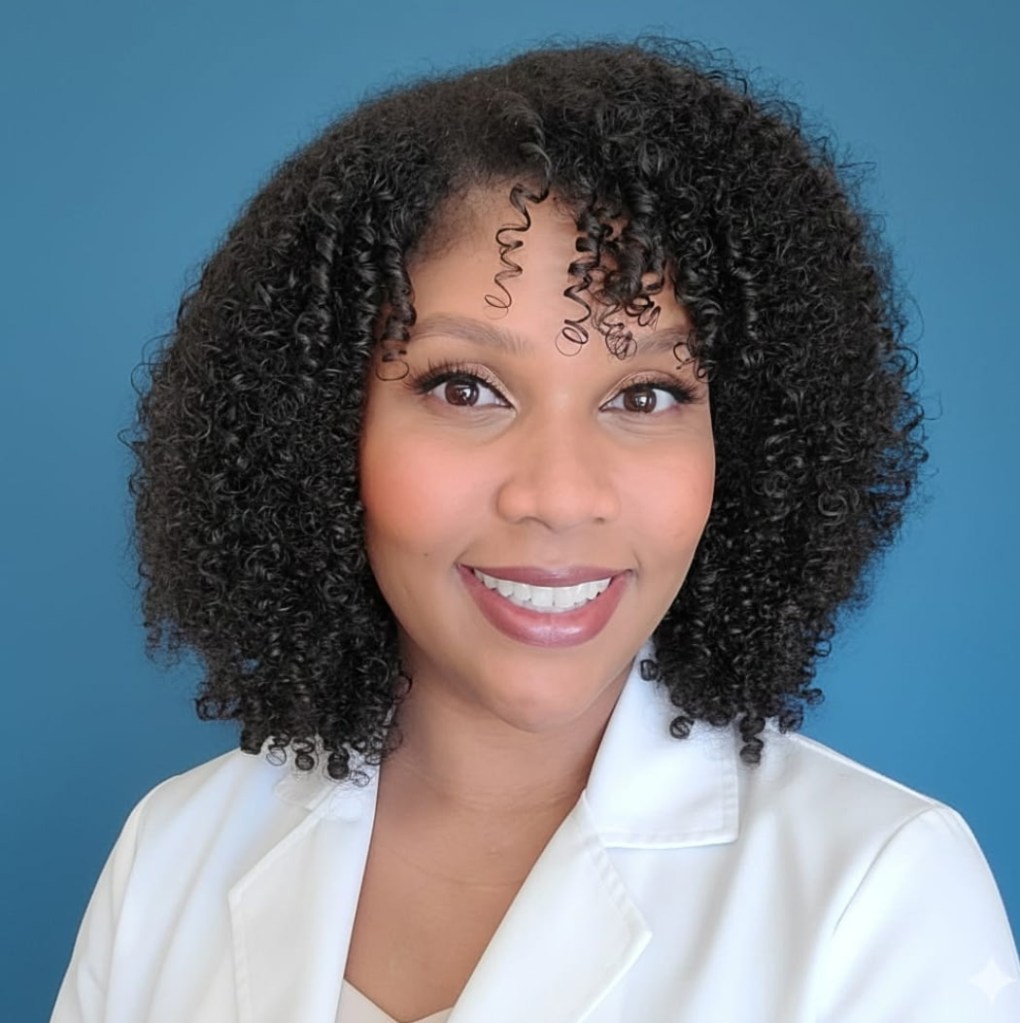
Ruth Solomon, MD
Family Medicine Physician & Co-Founder, AprilMD
Direct primary care
•
Preventive medicine
•
Patient-centered care
Ruth Solomon, MD, is a family medicine physician and Co-Founder of AprilMD, a Direct Primary Care clinic based in Babylon, New York. She provides comprehensive primary care to patients of all ages, with a focus on preventive medicine, chronic disease management, and evidence-based treatment.
Known for her patient-centered approach, Dr. Solomon believes healthcare works best when physicians have the time and access needed to truly understand their patients. She is committed to building long-term relationships with individuals and families while providing personalized care, clear communication, and practical health education. Her experience includes managing acute and chronic conditions, performing in-office procedures, and coordinating care across medical specialties.
Connect with Dr. Ruth Solomon and AprilMD
Website: www.aprilmd.com
Practice Location:
AprilMD
400 W Main Street, Suite 236
Babylon, NY 11702
FAQs
What is Direct Primary Care?
Direct Primary Care, or DPC, is a healthcare model in which patients pay a recurring membership fee directly to a primary care practice. The fee generally covers routine services such as checkups, sick visits, chronic condition management, and ongoing communication with the physician.
How much does a Direct Primary Care membership cost?
Membership prices vary by practice and location, but many DPC memberships cost approximately $70 to $200 per month. Patients should ask the individual practice what is included and whether any services carry additional fees.
Does Direct Primary Care replace health insurance?
No. DPC covers primary care but usually does not cover hospital stays, surgeries, emergency care, or specialist services. Many patients keep separate insurance for major or unexpected medical expenses.
What services are included in a DPC membership?
Services vary by practice but may include preventive visits, sick visits, chronic disease management, follow-up care, virtual visits, and direct messaging with the physician. Some practices also offer discounted labs, imaging, medications, or procedures.
How is Direct Primary Care different from traditional primary care?
DPC practices typically care for fewer patients and do not bill insurance for covered services. This can allow for longer appointments, shorter wait times, easier communication, and more predictable costs.
Sources and References
American Consumer Institute Center for Citizen Research. “Direct Primary Care: A Cure for the Ills of Health Insurance.” June 4, 2025.
Coachella Valley Direct Primary Care. “Cost Savings of Direct Primary Care: A Deep Dive.” September 29, 2023.
Hint Health News. “Cost Savings and Improved Employee Health with DPC.” Publication date not listed on the current page.
Lee, Austin, et al. “Impact of Telehealth on Pediatric Direct Primary Care: Is Virtually Showing Up Valuable?” Cureus, June 16, 2025.
Total Access Medical. “Analysis: Direct Primary Care in the United States.” August 29, 2016.


 UPNEX HEALTH
Leave a comment