
Guest Article
Black Cloud Nursing
Cody Watson, RN, ICU Charge Nurse & Ryan Storms, RN, Rapid Response Nurse
Critical care nurses sharing a field-tested look at one of medicine’s most urgent emergencies.
In This Article
Jump to what you need.
When most people think about medical emergencies, heart attacks and strokes usually come to mind. However, there is another life-threatening condition that affects millions of people every year and often goes unrecognized until it becomes severe: sepsis.
Sepsis is a medical emergency that occurs when the body’s response to an infection becomes overwhelming and begins to damage its own tissues and organs. It can develop quickly, progress rapidly, and become fatal if not recognized and treated early. Despite its seriousness, many people have never heard of sepsis or are unfamiliar with its warning signs. Understanding what sepsis is, who is at risk, and when to seek medical attention can make a significant difference in outcomes.
What Exactly Is Sepsis?
Sepsis is not an infection itself. Instead, it is the body’s extreme response to an infection.
Normally, the immune system works to fight bacteria, viruses, fungi, or other pathogens that enter the body. In some cases, however, the immune response becomes dysregulated. Rather than targeting only the infection, the body begins triggering widespread inflammation that can affect multiple organs and systems.
This inflammatory response can lead to blood vessel damage, decreased blood flow, low blood pressure, and organ dysfunction. Without prompt treatment, sepsis can progress to septic shock, a severe condition associated with a significantly increased risk of death.
In simple terms, sepsis occurs when the body’s defense system begins causing harm instead of helping.
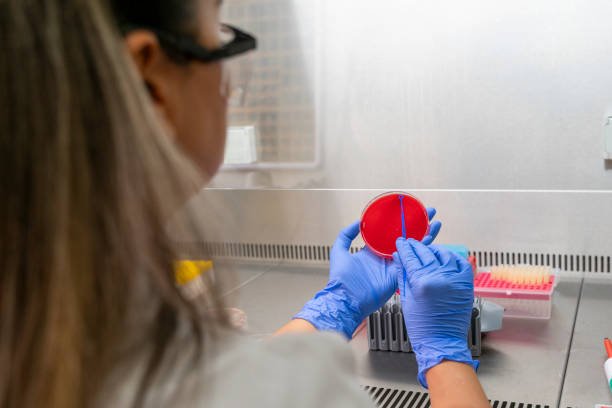
What Causes Sepsis?
Any infection has the potential to lead to sepsis. While some infections remain mild and resolve without complications, others can trigger a dangerous systemic response.
Common infections associated with sepsis include:
- Pneumonia
- Urinary tract infections, also known as UTIs
- Skin infections
- Abdominal infections
- Bloodstream infections
- Influenza
- COVID-19
Many people are surprised to learn that even what starts as a seemingly routine infection can become serious under the right circumstances.
Who Is Most at Risk?
Although anyone can develop sepsis, certain groups are more vulnerable.
High risk examples include:
- Adults ages 65 and older
- Infants and young children
- People with diabetes
- Immunocompromised patients
- Individuals receiving chemotherapy
- Organ transplant recipients
- People with chronic kidney disease
- People with chronic lung disease
- Recently hospitalized patients
Having one of these risk factors does not mean a person will develop sepsis, but it does increase the importance of monitoring infections closely and seeking treatment when symptoms worsen.
Recognizing the Warning Signs
One of the biggest challenges with sepsis is that its symptoms often resemble those of a common illness. Early signs can be subtle, making it easy to dismiss the condition until it becomes more serious.
Common warning signs of sepsis include:
- Fever or Low Body Temperature
- Many patients develop a fever, but some may actually experience a temperature lower than normal.
- Elevated Heart Rate
- The body often responds to infection by increasing heart rate in an attempt to maintain circulation.
- Rapid Breathing
- Breathing faster than normal is one of the body’s early responses to significant illness.
- Confusion or Altered Mental Status
- A person may suddenly seem disoriented, confused, unusually sleepy, or difficult to arouse.
- Extreme Weakness or Fatigue
- Many patients describe feeling far worse than they would expect from a typical infection.
- Low Blood Pressure
- As sepsis progresses, blood pressure can drop, leading to dizziness, lightheadedness, or fainting.
- Decreased Urine Output
- Reduced kidney function may cause a noticeable decrease in urination.
Family members are often the first to notice these changes. If someone with an infection suddenly seems much sicker than expected, it should never be ignored.
Why Time Matters
One of the most important facts about sepsis is that treatment is highly time sensitive.
Research has consistently shown that early recognition and treatment improve survival rates. Every hour matters when the body is experiencing widespread inflammation and organ dysfunction.
When patients arrive at the hospital with suspected sepsis, healthcare teams move quickly to identify the source of infection and begin treatment. The goal is to stop the infection, support organ function, and prevent progression to septic shock.
Delays in treatment can lead to worsening organ damage and significantly increase the risk of complications.
How Is Sepsis Treated?
Treatment depends on the severity of the illness and the underlying cause of infection, but several interventions are commonly used.
Antibiotics
Broad-spectrum antibiotics are typically started as soon as possible to target the infection.
Intravenous Fluids
Fluids help improve circulation and support blood pressure.
Oxygen Therapy
Some patients require supplemental oxygen to help deliver adequate oxygen throughout the body.
Monitoring and Supportive Care
Healthcare teams closely monitor blood pressure, heart rate, breathing, kidney function, and other vital signs.
Intensive Care
Patients with severe sepsis or septic shock may require treatment in an intensive care unit, also known as the ICU, where advanced therapies and monitoring are available.
The earlier treatment begins, the better the chances of recovery.
Can Sepsis Be Prevented?
Not every case of sepsis can be prevented, but there are steps individuals can take to reduce their risk.
These include:
- Practicing proper hand hygiene
- Treating infections promptly
- Managing chronic medical conditions
- Properly cleaning and monitoring wounds
- Seeking medical attention when symptoms worsen unexpectedly
Prevention begins with reducing the likelihood of infection and recognizing when an illness is becoming more serious.

The Bottom Line
Sepsis is a life-threatening medical emergency that occurs when the body’s response to an infection begins damaging its own organs and tissues. It can affect anyone, but older adults, young children, and people with chronic medical conditions face the highest risk.
Because sepsis often starts with symptoms that resemble common illnesses, awareness is critical. Fever, confusion, rapid breathing, severe weakness, and low blood pressure should never be ignored, especially in someone who has an active infection.
As critical care nurses, we’ve seen patients make remarkable recoveries because treatment began early. We’ve also seen how quickly sepsis can become dangerous when warning signs are overlooked. The good news is that awareness saves lives.
If you or a loved one develops an infection and suddenly seems much sicker than expected, trust your instincts and seek medical attention. Recognizing sepsis early could make all the difference.
Written by

Cody Watson, RN & Ryan Storms, RN
Critical Care Nurses, Black Cloud Nursing
Critical care
•
Nursing media
•
Healthcare storytelling
Cody Watson, RN, and Ryan Storms, RN, are critical care nurses and co-founders of Black Cloud Nursing, a healthcare media brand that creates entertaining, educational, and relatable content for healthcare professionals. Through humor, storytelling, and real-world experiences, Black Cloud Nursing highlights the realities of modern healthcare while fostering a community for nurses, first responders, and other medical professionals.
FAQs
What is sepsis?
Sepsis is the body’s extreme response to an infection. It can cause widespread inflammation, organ dysfunction, and life-threatening complications if not treated quickly.
Is sepsis an infection?
Sepsis is not the infection itself. It is the body’s dangerous response to an infection that begins to damage tissues and organs.
What infections can lead to sepsis?
Pneumonia, urinary tract infections, skin infections, abdominal infections, bloodstream infections, influenza, and COVID-19 can all be associated with sepsis.
Who is most at risk for sepsis?
Older adults, infants, young children, people with diabetes, immunocompromised patients, people receiving chemotherapy, organ transplant recipients, people with chronic kidney or lung disease, and recently hospitalized patients may be at higher risk.
What are warning signs of sepsis?
Warning signs can include fever or low body temperature, elevated heart rate, rapid breathing, confusion, severe weakness, low blood pressure, dizziness, fainting, and decreased urination.
When should someone seek medical care?
If someone has an infection and suddenly seems much sicker than expected, has trouble breathing, becomes confused, feels extremely weak, has low blood pressure symptoms, or has decreased urine output, they should seek urgent medical attention.
Sources and References
Centers for Disease Control and Prevention. “About Sepsis.” CDC.
Singer M, Deutschman CS, Seymour CW, et al. “The Third International Consensus Definitions for Sepsis and Septic Shock (Sepsis-3).” JAMA, 2016.
Evans L, Rhodes A, Alhazzani W, et al. “Surviving Sepsis Campaign: International Guidelines for Management of Sepsis and Septic Shock 2021.”
World Health Organization. “Sepsis Fact Sheet.” WHO.


 UPNEX HEALTH
Leave a comment