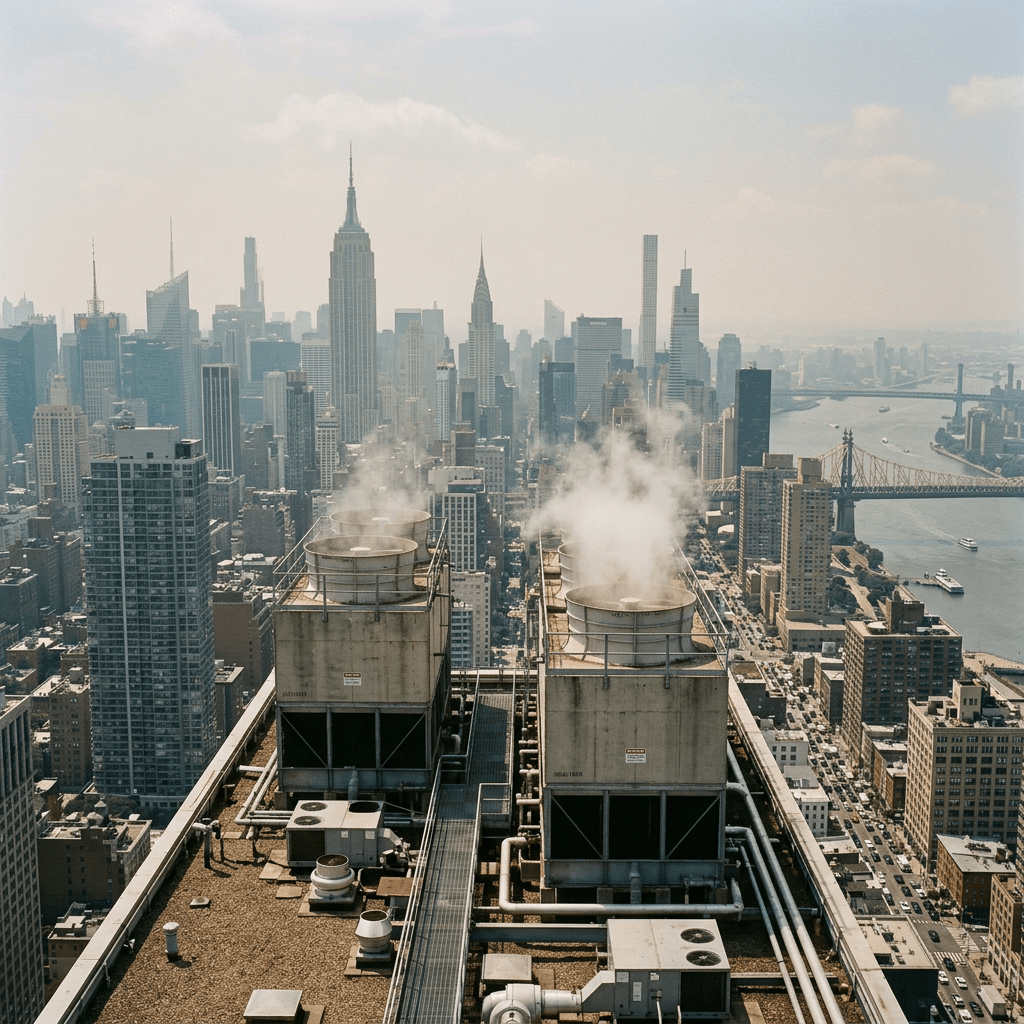
“Update — July 22, 2026: The Upper East Side Legionnaires’ disease cluster has grown to 82 confirmed cases, including five deaths. Eight people remain hospitalized, 56 have been discharged and 13 were not hospitalized. New York City health officials confirmed live Legionella bacteria in 34 cooling towers across 33 buildings. All towers with positive findings have been cleaned and disinfected, and health officials say the source of exposure has likely been eliminated. Investigators have not yet publicly identified one specific cooling tower as the definitive source of the outbreak.”
New York City health officials are investigating a Legionnaires’ disease cluster on the Upper East Side, centered in the Carnegie Hill and Yorkville neighborhoods. As of July 6, the NYC Health Department reported 23 cases, 17 hospitalizations, and no deaths linked to the cluster. The affected ZIP codes include 10028, 10128, and 10075.
At first glance, Legionnaires’ disease can sound alarming, especially because it is a form of pneumonia that can become serious if untreated. But public health officials are also emphasizing something important: this is not considered a person-to-person illness, and residents in the affected ZIP codes can continue drinking tap water, showering, cooking, bathing, and using home air conditioning.
So what exactly is Legionnaires’ disease, how does it spread, and why do outbreaks often point investigators toward cooling towers?
What Is Legionnaires’ Disease?
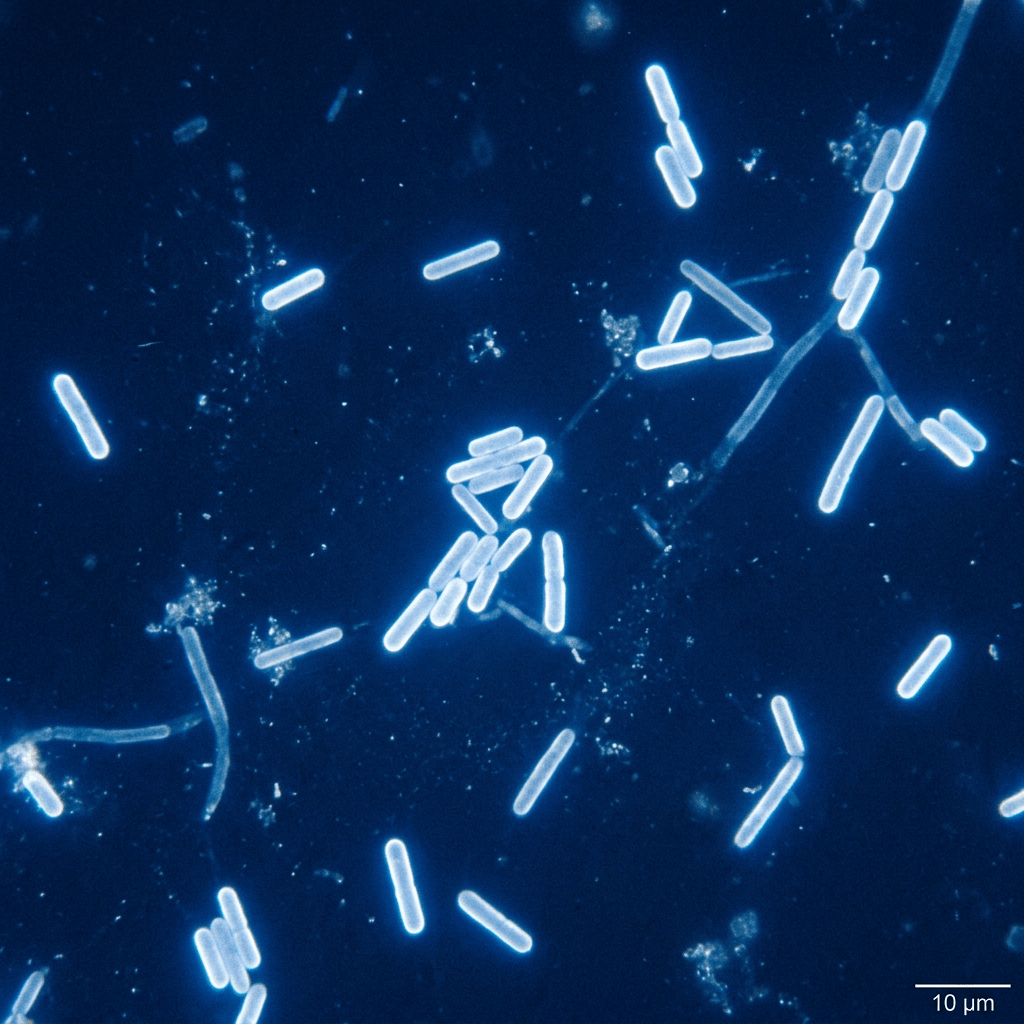
Legionnaires’ disease is a type of pneumonia caused by Legionella bacteria, which can grow in warm water. People usually get sick after breathing in tiny water droplets, or mist, that contain the bacteria.
This is why public health investigations often focus on large water systems that can create and spread mist, such as cooling towers, hot tubs, decorative fountains, large plumbing systems, and certain building water systems.
The disease is different from many respiratory infections because it usually does not spread from one person to another. In most cases, the issue is environmental: contaminated water becomes aerosolized, people breathe it in, and some people develop illness.
What Is Happening in NYC Right Now?
The NYC Health Department first announced the Upper East Side cluster on July 2, after two people in the area were diagnosed with Legionnaires’ disease. Since then, the number of reported cases has grown, with the city reporting 23 cases and 17 hospitalizations by July 6.
Health officials say they are investigating the cluster by sampling and testing water from cooling tower systems in the area. Cooling towers that test positive for Legionella can be ordered to undergo remediation, which means cleaning, disinfection, and corrective action to reduce the risk of more exposure.
This does not mean every person in the neighborhood is at high risk. Most people exposed to Legionella do not become sick. But the people who do develop symptoms should take them seriously, especially if they live, work, or recently visited the affected area.
Why Cooling Towers?
Cooling towers are part of some large building cooling systems. They use water and fans to remove heat from buildings or industrial processes. When the water inside these systems is not properly maintained, Legionella can grow and spread through mist released into the air.
CDC guidance says several factors can make Legionella more likely to grow, including biofilm, certain warm water temperatures, low disinfectant levels, and slow or stagnant water.
That is why outbreaks like this are not just medical events. They are also infrastructure events.
Public health does not only happen inside hospitals. It happens in building maintenance logs, water management programs, city inspections, and rapid communication between health departments, clinicians, building owners, and the public.
Who Is Most at Risk?
Anyone can develop Legionnaires’ disease, but certain groups are more likely to become seriously ill. NYC Health lists higher-risk groups as people who are age 50 or older, people who smoke or vape, people with chronic lung disease, people with weakened immune systems, and people taking medications that weaken the immune system.
This matters because the same exposure may not affect everyone the same way. One person may never get sick, while another person may develop severe pneumonia and need hospital care.
Symptoms to Watch For
Legionnaires’ disease can look like other forms of pneumonia, which is one reason early diagnosis matters. Symptoms can include fever, chills, muscle aches, cough, headache, fatigue, loss of appetite, confusion, diarrhea, and difficulty breathing.
NYC Health is advising people who live, work, or visited the affected Upper East Side area since late June to contact a healthcare provider immediately if they develop flu-like symptoms, cough, fever, or difficulty breathing.
The good news is that Legionnaires’ disease can be treated with antibiotics, and early treatment improves the chance of recovery.
What Residents Should Know
For residents in the affected area, the most important message is not to panic, but to stay alert.
According to NYC Health, this cluster is not an issue with building plumbing systems, and people in the affected ZIP codes can continue using tap water, showers, baths, cooking water, and home air conditioning. The bacteria do not spread through cooled air from window or home air conditioning units.
The action step is symptom monitoring. If someone in the area develops a fever, cough, muscle aches, shortness of breath, or other pneumonia-like symptoms, they should seek care and tell the provider they are concerned about Legionnaires’ disease.
Why This Is a Public Health Story
Legionnaires’ disease is not new, but it continues to be a public health challenge because it sits at the intersection of medicine, infrastructure, climate, regulation, and trust.
CDC surveillance notes that reported Legionnaires’ disease cases have generally increased since the early 2000s, with higher rates seen among older adults, males, Black persons, people in the Northeast and Midwest, and during summer and fall months.
That seasonal pattern matters. Warm weather can increase reliance on cooling systems, and cooling towers require consistent maintenance to prevent bacterial growth. When a cluster appears, public health teams have to move quickly: identify cases, alert clinicians, test environmental sources, communicate with the public, and reduce exposure.
This is the kind of public health work people usually do not notice until something goes wrong.
A Broader Perspective
The Upper East Side cluster is a reminder that public health is not only about vaccines, viruses, or hospital capacity. It is also about the built environment.
The safety of the air we breathe can be shaped by how buildings manage water.
The speed of an outbreak response can depend on whether cooling towers are registered, inspected, and maintained.
The outcome for a sick patient can depend on whether a clinician thinks to test for Legionnaires’ disease early enough.
For the public, the main takeaway is simple: if you were in the affected area and develop symptoms, do not wait it out. Seek care and mention possible Legionnaires’ exposure.
For cities, the message is bigger. As urban buildings, water systems, and extreme heat all interact, water safety is becoming an increasingly important part of public health preparedness.
Want to learn more about Legionnaires’ disease? Check out this short Mayo Clinic video.
Mayo Clinic explains how Legionnaires’ disease spreads, who is most at risk, and why early treatment matters. Video courtesy of Mayo Clinic News Network.
Want to stay informed on the latest in healthcare? Subscribe to the UpNEXHeath blog and get notified when new articles are published!
FAQs –
What is Legionnaires’ disease?
Legionnaires’ disease is a serious type of pneumonia caused by Legionella bacteria. People usually become sick after breathing in mist that contains the bacteria.
Is Legionnaires’ disease contagious?
In general, Legionnaires’ disease does not spread from person to person. It usually spreads through contaminated water mist from certain water systems.
Is NYC tap water safe during this cluster?
According to NYC Health, residents in the affected ZIP codes can continue drinking tap water, cooking, bathing, showering, and using home air conditioning.
Who is most at risk?
People age 50 and older, people who smoke or vape, people with chronic lung disease, and people with weakened immune systems are at higher risk.
What symptoms should people watch for?
Symptoms can include fever, chills, cough, muscle aches, headache, fatigue, shortness of breath, confusion, diarrhea, and loss of appetite.
How is Legionnaires’ disease treated?
Legionnaires’ disease can be treated with antibiotics. Early diagnosis and treatment are important.


 UPNEX HEALTH