
Celebrating Black History Month by Honoring Innovation, Equity, and Vision
As we mark Black History Month 2025, we celebrate not only the rich legacy of Black trailblazers in medicine but also the dynamic leaders who are actively reshaping healthcare today.
From pioneering community‐based digital health platforms to advancing cutting‑edge research and championing health equity, these innovators continue to break barriers. Their work is setting new standards in patient care, technological innovation, and advocacy for marginalized communities. In this article, we profile several leaders whose contributions are currently making waves across the healthcare spectrum.
Trailblazing Leaders Driving Change
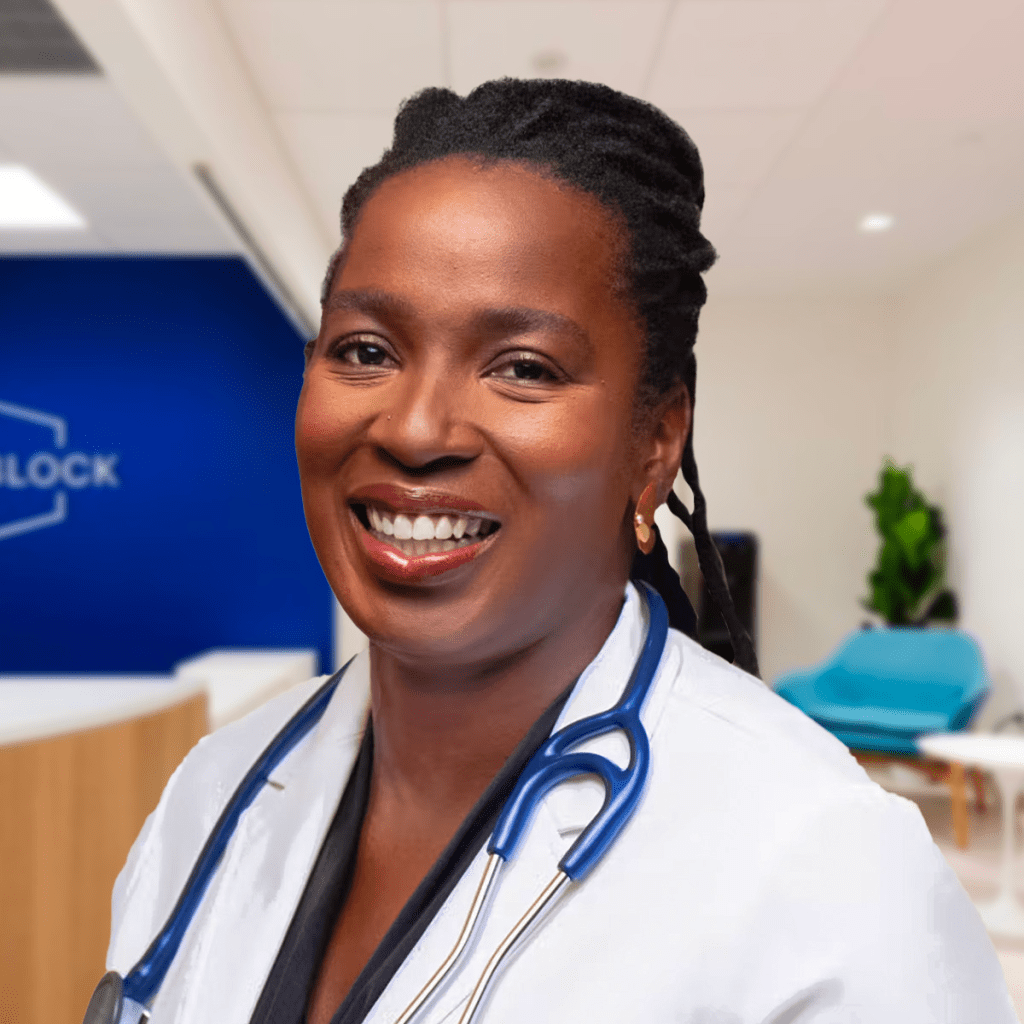
Dr. Toyin Ajayi – Building Community-Centered Healthcare
Dr. Toyin Ajayi is a force in transforming primary care for underserved populations. As the co-founder and CEO of Cityblock Health, she has built scalable, community‑driven care models that deliver comprehensive services to Medicare and Medicaid recipients.
“Cityblock Health is building a scalable solution to address the root causes of health for underserved urban populations.”
Her approach leverages data, local partnerships, and digital tools to address longstanding healthcare disparities. Recent reports highlight her innovative leadership and the growing impact of Cityblock Health on both patient outcomes and workforce transformation.
Prior to Cityblock Health, Dr. Ajayi served as chief medical officer of Commonwealth Care Alliance, leading clinical operations and care delivery innovations for over 20,000 Massachusetts beneficiaries. She is a board-certified family physician with a background in primary care and hospital medicine, having received her medical degree from King’s College London and completed her residency at Boston Medical Center.
——————————————————–
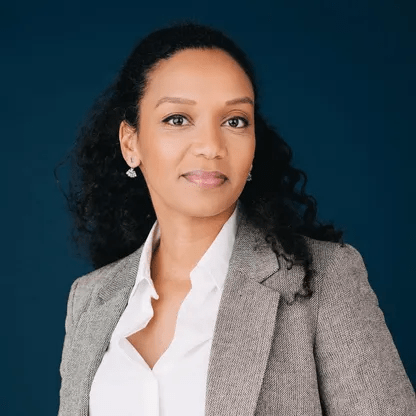
Dr. Iman Abuzeid – Innovating Nurse Staffing Through Digital Platforms
Dr. Iman Abuzeid is a physician and entrepreneur who has redefined nurse recruitment as the co-founder and CEO of Incredible Health. By creating a digital platform that connects hospitals with highly qualified nursing talent, Dr. Abuzeid’s work is easing the burden of staffing shortages and reducing burnout.
Born in Saudi Arabia, Dr. Abuzeid lived in multiple countries before moving to the United States at age 24. She earned a Bachelor of Science in International Health and an MBBS degree from University College London. Prior to founding Incredible Health in 2017, she gained experience as a health policy associate, product manager, and consultant, including roles at Harvard’s School of Public Health, Booz & Company, and AliveCor. This journey included an MBA from the Wharton School of Business in Health Care Management, as well as founding the app Lift League (a digital platform that enabled wellness professionals to connect with their clients, enhance relationships, and boost client engagement and loyalty).
Her leadership in healthcare technology has positioned her as one of the few Black female founders at the helm of a company now valued at over $1 billion, a testament to her vision and tenacity.
——————————————————–
Dr. Uché Blackstock – Advocating for Health Equity and Anti-Racism
Dr. Uché Blackstock is a prominent figure in the fight for health equity, blending her expertise as a physician with her passion for social justice. Beyond her medical career, Dr. Blackstock is the founder and CEO of Advancing Health Equity (AHE), an organization
“Dedicated to partnering with organizations on their journey to eliminate bias and discrimination in healthcare, cultivate an equitable organizational culture, and improve health outcomes”.
She regularly shares her insights on platforms like MSNBC and NBC News, using her voice to raise awareness and promote change. Her previous roles as an associate professor and faculty director at NYU School of Medicine further highlight her commitment to both clinical practice and systemic reform.
Dr. Blackstock’s impact is further cemented through her writing and personal journey. She has contributed Op-Eds to prominent publications, and her memoir, “LEGACY: A Black Physician Reckons with Racism in Medicine,” was published in January 2024 and immediately became a New York Times best-seller. Dr. Blackstock’s educational background includes degrees from Harvard University, where she and her twin sister made history as the first Black mother-daughter legacy graduates from Harvard Medical School. Dr. Blackstock continues to inspire positive change in healthcare and beyond.
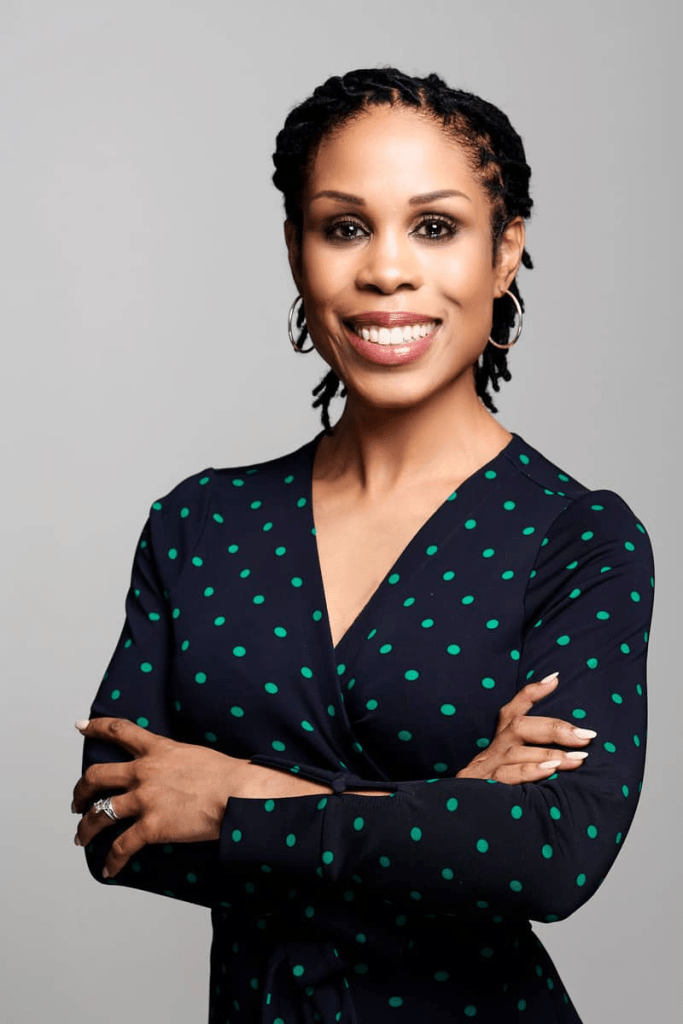
Image Credits: Uche Blackstock
——————————————————–
Dr. Emery N. Brown – Pioneering Data-Driven Anesthesia and Neuroscience
Dr. Emery N. Brown is a preeminent figure in anesthesiology and computational neuroscience, widely recognized for his groundbreaking contributions to the statistical analysis of neuronal data. His innovative research has significantly enhanced our understanding of how brain activity can be monitored and interpreted during anesthesia. In January 2025, President Biden awarded him the National Medal of Science, a testament to his profound impact on the field. This accolade underscores Brown’s status as a leading authority whose work continues to shape the future of clinical research.
His research (in conjunction with the Brown Lab) seamlessly integrates advanced data science techniques into clinical practice, revolutionizing patient monitoring systems and the delivery of anesthesia. By applying sophisticated statistical models to neuronal data, Brown has enabled the development of more precise, real-time monitoring technologies.
These innovations not only improve the safety of anesthesia administration but also pave the way for more personalized patient care. His work sets new benchmarks in medical research, demonstrating the power of data-driven approaches to transform traditional medical practices.
Beyond his technical achievements, Dr. Brown’s contributions have had a profound impact on improving patient outcomes and clinical workflows. His research has inspired a new generation of clinicians and researchers to adopt interdisciplinary methods that blend medicine with computational analysis. By fostering collaborations between data scientists and healthcare professionals, Brown’s work continues to influence policies and practices in hospitals worldwide. His legacy is one of innovation, precision, and a relentless pursuit of excellence in patient care.
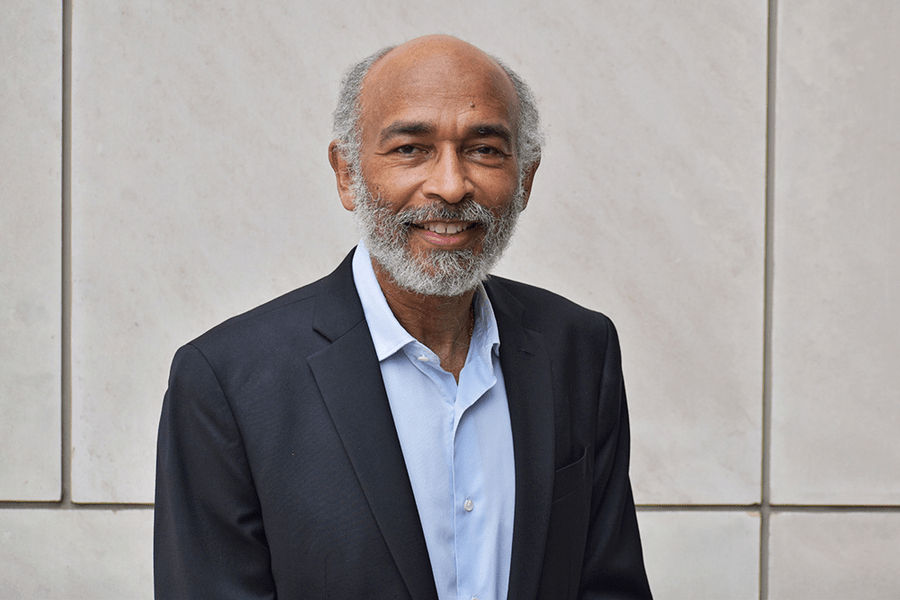
Image Credits: Picower Institue
——————————————————–
Dr. Kizzmekia Corbett – Advancing Vaccine Research and Public Health
Dr. Kizzmekia Corbett is a leading scientist whose work has significantly impacted global health, most notably as a key figure in developing the COVID-19 mRNA vaccines. Currently an assistant professor at Harvard T.H. Chan School of Public Health, she continues to drive vaccine research and advocate for public health policies. Her research focuses on ensuring that scientific breakthroughs translate into tangible solutions, especially for communities historically underserved by healthcare.
Corbett’s scientific journey began at age 16 with an internship at the University of North Carolina at Chapel Hill, leading her to pursue a Ph.D. in Microbiology and Immunology at UNC. Her doctoral work focused on the complexities of antibody responses to dengue virus.
Prior to Harvard, she spent seven years as a research fellow at the NIH’s Vaccine Research Center, where she was the scientific lead for the coronavirus vaccine team. This experience, coupled with existing knowledge, was instrumental in developing the first-in-human SARS-CoV-2 vaccine, mRNA-1273, which entered clinical trials rapidly.
Beyond her scientific achievements, Dr. Corbett is deeply committed to mentorship and community engagement. She actively supports aspiring scientists and promotes STEM education, particularly in underserved communities. She also uses public service to promote public health interventions and serves on various boards, including Boston’s COVID-19 Advisory Board. Her dedication extends to vaccine awareness and she is an active advocate for STEM programs.

——————————————————–
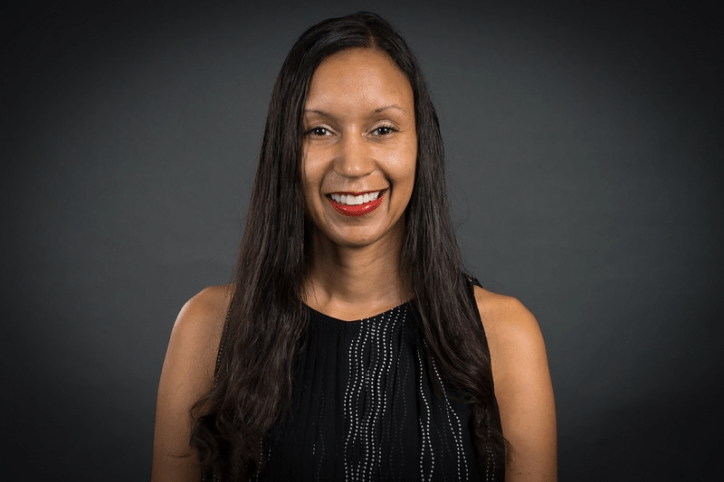
Dr. Jacquelyn Taylor – Championing Health Equity Through Nursing Science
Dr. Jacquelyn Taylor is a prominent figure in the field of nursing and health equity, currently serving as the Helen F. Petit Endowed Professor of Nursing at Columbia University School of Nursing. She has dedicated her career to tackling health disparities, particularly those affecting African American populations.
As a nurse scientist and a leader in cardiovascular genomics, Dr. Taylor’s research delves into the unique health challenges these communities face, securing significant funding from the National Institutes of Health (NIH) to further her studies on blood pressure and genetic influences.
Dr. Taylor’s research is particularly focused on the genomics of chronic diseases among African-American individuals, with current projects investigating how psychological, genetic, and epigenetic factors interplay to affect blood pressure in Black women and their children. She is also addressing the critical issue of lead poisoning through her studies in Flint, Michigan.
Previously, Dr. Taylor held a position as tenured faculty and Associate Dean of Diversity and Inclusion at the Yale University School of Nursing, where she championed initiatives to promote equity in healthcare education. Honored with the Presidential Early Career Award for Scientists and Engineers—a prestigious recognition for early-career researchers—she is committed to developing nursing interventions that mitigate healthcare disparities. Dr. Taylor’s long-term vision includes reducing the risks associated with omic-environment factors that contribute to health inequities, paving the way for a healthier future for all.
——————————————————–
Expanding the Narrative: Why Their Work Matters
These leaders exemplify the power of merging scientific innovation with a commitment to social justice. Their contributions address both the technological and systemic challenges in healthcare:
Innovation: By integrating AI, digital platforms, and computational modeling into everyday care (as seen with Cityblock Health and Incredible Health), these pioneers are redefining how healthcare is delivered.
Equity: Leaders like Uché Blackstock and Jacquelyn Taylor are breaking down barriers to ensure that improvements in healthcare benefit everyone, particularly those historically marginalized.
Legacy: Their groundbreaking work not only honors the trailblazers of the past but also paves the way for future generations of Black scientists, entrepreneurs, and healthcare providers.

Want to stay informed on the latest in healthcare? Subscribe to the UpNEXHeath blog and get notified when new articles are published!
FAQs –
Why focus on Black leaders in healthcare for Black History Month 2025?
Highlighting these leaders not only honors a rich legacy of Black innovation in medicine but also showcases contemporary efforts to address systemic disparities and improve patient care through technology and advocacy.
How are these innovators transforming healthcare?
Their contributions range from developing digital health platforms that expand access to care (Toyin Ajayi and Iman Abuzeid) to pioneering research in data‑driven clinical practices (Emery N. Brown) and advancing vaccine technology (Kizzmekia Corbett). Each leader addresses unique challenges, contributing to a more equitable and effective healthcare system.
What impact does diversity have on healthcare outcomes?
Research shows that a diverse healthcare workforce improves patient trust, enhances communication, and leads to better health outcomes, particularly when patients receive care from providers who understand their cultural and social context.
What is Black History Month and why is it celebrated?
Black History Month is an annual observance in February that honors the contributions and achievements of Black individuals throughout history.
What are some healthcare disparities faced by marginalized communities?
Marginalized communities often face disparities such as limited access to healthcare, higher rates of chronic diseases, and socioeconomic barriers that impact health outcomes.
Why is health equity important?
Health equity ensures that everyone has the opportunity to attain their highest level of health, addressing systemic barriers and striving for fairness in healthcare delivery.
What can individuals do to support health equity and innovation in healthcare?
Individuals can advocate for equitable healthcare policies, support Black-led health initiatives, engage in community service, and educate themselves on the importance of diversity in healthcare leadership.


 UPNEX HEALTH