In the rapidly evolving world of transplant medicine, innovative technologies are reshaping how life-saving procedures are performed. One of the most exciting advancements is the development of the “lungs in a fridge” technique—a breakthrough that is extending the viability of donor lungs and transforming lung transplant procedures.
What is the “Lungs in a Fridge” Technology?
Traditionally, lung transplants were bound by a narrow extraction window of roughly six hours. This tight timeframe often meant that only locally sourced organs could be used, limiting the pool of potential donors. The new lung refrigerator technology changes all that. By storing donor lungs at approximately 50°F, this method preserves the organs for up to 18 hours. In contrast to the conventional ice storage method, which is typically around 39°F and may inadvertently damage the tissue, the controlled refrigeration environment offers a gentler, more stable preservation process

Image Credits: Northwestern Memorial Hospital News
How Refrigerated Lung Preservation Expands the Donor Pool
The extended preservation period brings multiple advantages along with it:
Expanded Donor Pool: With more time to transport lungs from distant locations, transplant teams can access a broader range of donors, reducing wait times and giving more patients a chance at receiving a transplant.
Improved Surgical Conditions: Surgeons can now schedule procedures during regular hours rather than rushing into emergency night operations. This allows the entire medical team to be well-rested and better prepared, which reduces the likelihood of surgical errors.
Enhanced Organ Viability: The technology minimizes the risk of damage to the lungs, thereby increasing the overall transplant success rates.
The Revolutionary Shift in Lung Transplantation: Implications for Future Medical Practice
Leading institutions such as Northwestern Medicine have already embraced these advancements, setting new records in lung transplant procedures. The combination of extended preservation times and the ability to repair and rejuvenate donor lungs is not only saving lives but also inspiring a new generation of thoracic surgeons to enter the field, potentially alleviating the current shortage of transplant specialists.
A Remarkable Patient Journey: Tadd Crosslin’s Double Lung Transplant Success Story
One compelling example of this breakthrough is the case of Tadd Crosslin, a 49-year-old father who had battled advanced cancer. His surgery, which involved a double lung transplant, showcased both the promise of the new technology and the exceptional skill of the surgical team. Dr. Ankit Bharat, a renowned thoracic surgeon and the director of Northwestern Medicine’s Canning Thoracic Institute, led the groundbreaking procedure.
Dr. Bharat’s expertise was pivotal in handling a particularly challenging case. Crosslin’s lungs were heavily compromised by billions of cancer cells, making them “perhaps the most diseased that we’ve ever seen.” His approach, coupled with the extended preservation time provided by the lung refrigerator, allowed the team to carefully remove and replace the lungs.
Dr. Bharat’s leadership in adopting this innovative technology not only ensured a successful transplant but also set a new benchmark for the treatment of patients with advanced lung diseases. His commitment to integrating cutting-edge methods with compassionate patient care has earned him national recognition and continues to inspire advancements in transplant medicine.
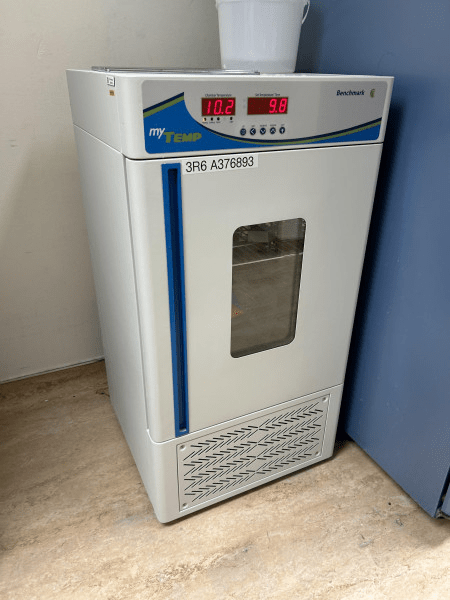
Image Credits: Northwestern Memorial Hospital News
The “lungs in a fridge” innovation is more than just a technological advancement, it represents a shift in how lung transplantation is approached. By extending the window for organ viability and enabling more controlled, patient-centric surgical procedures, this innovation is poised to save countless lives. With experts like Dr. Ankit Bharat leading the charge, the future of transplant medicine looks promising.
Want to stay informed on the latest in healthcare? Subscribe to the UpNEXHeath blog and get notified when new articles are published!
FAQs –
What is the “lungs in a fridge” technology?
It is an innovative organ preservation method that stores donor lungs at approximately 50°F, extending their viability for up to 18 hours—significantly longer than the traditional six-hour window.
How does this technology improve lung transplant procedures?
By extending the preservation period, it allows for longer transport distances, more flexible scheduling for surgical teams, and overall enhanced outcomes due to reduced time pressures and better-prepared medical staff.
What are the primary benefits for patients?
Patients benefit from shorter wait times, improved surgical conditions, and a higher likelihood of successful transplant outcomes, which can translate into a better quality of life post-surgery.
Who is Dr. Ankit Bharat and why is his role significant?
Dr. Ankit Bharat is a leading thoracic surgeon and the director of Northwestern Medicine’s Canning Thoracic Institute. His pioneering use of the lung refrigerator technology and meticulous surgical approach were crucial in performing one of the most challenging lung transplants, offering a new lease on life for patients like Tadd Crosslin.
What types of lung diseases might require a transplant?
Lung transplants are typically considered for end-stage lung diseases such as cystic fibrosis, chronic obstructive pulmonary disease (COPD), idiopathic pulmonary fibrosis (IPF), pulmonary hypertension, and alpha-1 antitrypsin deficiency.
What are the criteria for being a lung transplant candidate?
Candidates undergo a thorough evaluation to assess their overall health, lung function, and psychological readiness. They must be able to adhere to a strict post-transplant medication and lifestyle regimen.


 UPNEX HEALTH