Did you know that February is American Heart Month? This is a dedicated time to raise awareness about cardiovascular health and promote strategies to prevent heart disease. Heart disease remains the leading cause of death in the United States, but adopting healthy lifestyle choices can significantly reduce your risk.
Heart disease continues to be the leading cause of death in the United States, claiming the lives of approximately 697,000 individuals each year, according to the American Heart Association (AHA). Fortunately, many heart attacks and related diseases are preventable through positive lifestyle changes.
Embracing a nutritious diet, engaging in regular physical activity, maintaining a healthy weight, and avoiding tobacco use can help us take charge of our heart health. By arming ourselves with knowledge and practical strategies for prevention, we can collectively foster healthier lifestyles and reduce the prevalence of heart disease within our communities. This blog aims to emphasize the vital importance of these preventive measures and illustrate how they can significantly mitigate the risk of heart disease.

Healthy Lifestyle Choices to Prevent Cardiovascular Disease
There are countless lifestyle choices you can make to help prevent cardiovascular disease, but we’re zeroing in on the top five that pack the biggest punch for your health!
- Maintaining a Balanced Diet: Focus on incorporating a diet rich in a variety of fruits, vegetables, whole grains, lean proteins, and healthy fats. When consuming your meals, strive to limit saturated fats, trans fats, cholesterol, sodium, and added sugars. A heart-healthy diet fosters effective weight management, blood pressure control, and balanced cholesterol levels. (A helpful tip is to prepare a plate that is colorful and vibrant, think greens, reds, yellows, and more, as this diverse array of colors signifies a wide range of nutrients essential for your overall health.)
- Engage in Regular Physical Activity: Regular physical activity can reduce the risk of heart disease by nearly 50% in individuals who engage in consistent exercise compared to those who are inactive. Aim for at least 150 minutes (2.5 hours) of moderate-intensity aerobic exercise or 75 minutes (1.25 hours) of vigorous-intensity exercise each week. This can be divided into manageable chunks. Activities such as brisk walking, cycling, swimming, or dancing not only strengthen your heart but also enhance circulation. A simple way to incorporate physical activity into your day is to pair it with existing tasks or seamlessly integrate it into your routine. For instance, if you typically step outside to take out the trash or collect the mail in the mornings, consider extending your walk by circling the block for 10 minutes before heading inside. You can also invest into a standing desk and mini treadmill to walk on while you are working at home (for those of us who are remote workers). Alternatively, you might choose to go for a 10-minute run before lunch or commit to a 30-minute workout at the gym after work before returning home. Building these habits can make it easier to fit physical activity into your daily life. (What truly matters is taking that first step, regardless of how small it may seem.)
- Avoid Tobacco Use: Smoking poses significant harm to blood vessels and heightens the risk of heart disease. According to the American Heart Association, smokers are two to four times more likely to develop heart disease than non-smokers. Quitting can lead to improved heart health and a reduced chance of cardiovascular events. While the journey to quit is challenging, seeking support can make a difference. Remember, you don’t have to navigate this path alone, various resources are available to ease your transition. By calling 1-800-QUIT-NOW (1-800-784-8669), you will be directly connected to your state’s quitline, where trained coaches offer guidance and support. Additionally, Smokefree.gov serves as another invaluable resource to assist you.
- Limit Alcohol Consumption: Excessive alcohol intake can significantly elevate blood pressure (hypertension) and contribute to heart disease. Chronic alcohol consumption can result in cardiomyopathy, a condition that causes weakening of the heart muscle, impairing its ability to pump blood effectively and potentially leading to heart failure. Fortunately, many brands are embracing the trend of alcohol-free beverages and mood-enhancing drinks. These options not only help you foster a healthy relationship with drinking but also can provide alternatives for those looking to reduce or eliminate their alcohol intake. This growing variety offers a broader range of choices for socializing without the risks associated with excessive alcohol consumption.
- Manage Stress: A great way to think about stress is to compare it to the volume dial on a radio. When you want to crank up the volume, you turn the dial to the right, when you want to dial it down, you turn it to the left. Stress operates in a similar way within our bodies. It doesn’t cause disease directly, but it can significantly heighten the risk of pre-disease conditions like hypertension, cardiovascular disease, obesity, and various other health issues. Just as too much volume can overwhelm the speakers and distort the sound, excessive stress can overload the body’s systems, leading to a multitude of physical and mental health challenges. To maintain balance and promote overall well-being, it’s essential to find ways to “tune down” stress. Techniques such as journaling, deep breathing exercises, yoga, and mindfulness can help achieve this.
The Importance of Regular Blood Pressure Monitoring
High blood pressure is a major risk factor for heart disease. Regular monitoring can help detect hypertension early. Normal blood pressure is typically defined as systolic pressure less than 120 mm Hg (top number on a blood pressure cuff) and diastolic pressure less than 80 mm Hg. (bottom number on a blood pressure cuff)
You can easily purchase a blood pressure monitor online for use at home. We recommend opting for a digital model, as it’s simpler to read and use.
Here are two different blood pressure monitors available online:
- MMIZOO Automatic Wrist Blood Pressure Monitor with Large LCD Display
- iHealth Track Smart Upper Arm Blood Pressure Monitor
When you’re ready to take your blood pressure, be sure to sit down comfortably, with your legs uncrossed and your feet flat on the floor. Ideally, your left arm should be at heart level (having someone hold it for you or resting it on a table works great). Remember to breathe normally while the device takes the reading. By following these steps, you’ll get the most accurate results!
The top number you see will be your systolic pressure, and your bottom number is your diastolic pressure. If you receive a reading you are concerned about, please consult with your primary care provider and be sure to write your numbers down so you do not forget!
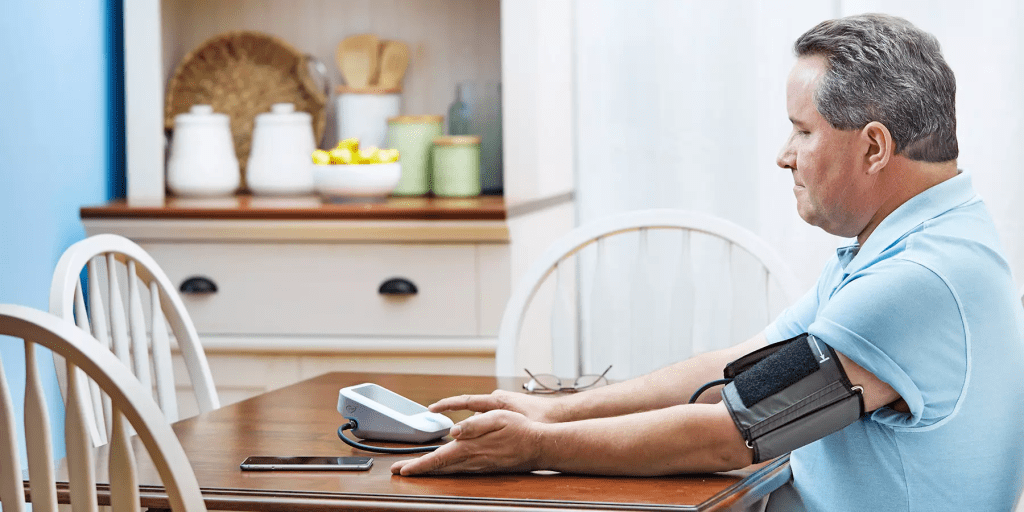
Image Credits: Hill Rom
We understand you probably do not want to invest 5+ years in becoming a medical doctor, so we’re here to save you some time with a crash course on how you might save a friend or loved one who’s facing a heart-related crisis. While we’ll cover some crucial techniques, we strongly recommend getting certified and properly trained in these methods if you can. We’ll provide links in each section for easy access to resources, as many of these classes and courses are affordable and don’t take long to complete.
Who knows? You might just find yourself in a position to save a life one day!
Recognizing Signs of a Heart Attack
Being able to identify the signs of a heart attack can save lives. These are the Common symptoms you want to look out for:
Chest Discomfort: Pressure, squeezing, fullness, or pain in the center of the chest that lasts more than a few minutes or goes away and comes back.
Upper Body Discomfort: Experiencing pain or discomfort in one or both arms, the back, neck, jaw, or stomach can be concerning. It’s essential to understand that this discomfort may arise in various areas of the body due to a phenomenon known as “referred pain.” So, it’s crucial not to overlook how the symptoms can present.
Shortness of Breath: With or without chest discomfort.
Other Signs: Breaking out in a cold sweat, nausea, or lightheadedness.
If you or someone else experiences these symptoms, call 911 immediately. Acting quickly can save lives.
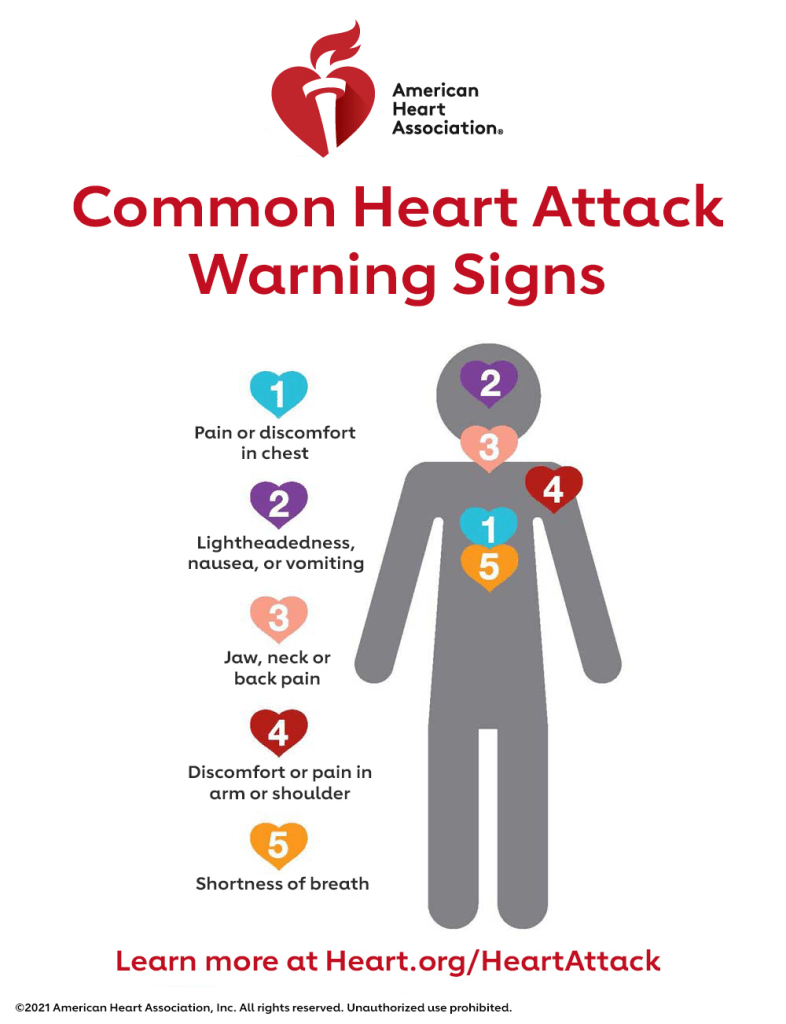
Image Credits: American Heart Association
The Importance of CPR and AED Training
Knowing how to perform CPR (Cardiopulmonary Resuscitation) and use an AED (Automated External Defibrillator) can be lifesaving during a cardiac emergency. Immediate CPR can double or triple a person’s chance of survival after cardiac arrest.
CPR is a lifesaving technique that combines chest compressions and rescue breaths to maintain blood flow and oxygen to the brain and other vital organs during cardiac arrest, while an AED delivers an electric shock to restore a normal heart rhythm in individuals experiencing life-threatening arrhythmias (irregular heartbeat).
Fortunately, many public places, such as shopping malls, airports, and community centers, are now equipped with AEDs, increasing the chances of prompt treatment in the event of a cardiac emergency. Additionally, you can take proactive steps to ensure access to this lifesaving technology by purchasing an AED for your home or recommending that your workplace invest in one, providing an added layer of protection and peace of mind in the event of a crisis.
The American Heart Association and the American Red Cross offers both local blended learning and instructor-led classroom First Aid, CPR, and AED training solutions.
Link to Courses:
National Wear Red Day and National Heart Health Day
Did You Know? There are two specific days during American Heart Month.
February 9: National Heart Health Day: A day to focus on heart health by engaging in activities that promote cardiovascular well-being, such as exercise, healthy eating, and stress management.
February 7: National Wear Red Day: Wear red to raise awareness about heart disease, especially in women. This initiative encourages individuals to learn about their risk factors and take action to protect their heart health.

Before You Go!
Sharing information is vital when it comes to health, and we want to ensure you have the tools you need to embark on your heart health journey. Here are some valuable resources to help you along the way:
Managing My Blood Pressure: Download this printable list of questions to discuss with your healthcare provider regarding your blood pressure management. (Available in Spanish as well.)
My Blood Pressure Log: Utilize this printable log to keep track of your blood pressure readings when you measure them at home. (Also available in Spanish.)
ABCs of Heart Health: This memorable acronym, created by Million Hearts®, serves as a reliable guide for maintaining your heart health.
Live to the Beat: This initiative encourages adults to take proactive steps to reduce the risk of heart disease and stroke.
Free Heart Health Resources from the Heart2Heart Foundation: This organization offers widely used handouts for community events that can be downloaded to aid in heart health education.
Educational Brochures from the American Heart Association: The AHA provides informative brochures on various subjects such as cholesterol management, controlling blood pressure, and recognizing the signs of a heart attack.
Want to stay informed on the latest in healthcare? Subscribe to the UpNEXHeath blog and get notified when new articles are published!
FAQs –
What is American Heart Month?
American Heart Month is observed in February each year to raise awareness about cardiovascular health and encourage individuals to adopt healthier lifestyles to prevent heart disease.
Why is heart disease a concern in the United States?
Heart disease remains the leading cause of death in the U.S., claiming approximately 697,000 lives annually. However, many cases are preventable through lifestyle changes.
What lifestyle changes can help prevent heart disease?
Leading a heart-healthy lifestyle includes maintaining a balanced diet, engaging in regular physical activity, avoiding tobacco use, limiting alcohol consumption, and managing stress effectively.
What does a heart-healthy diet look like?
A heart-healthy diet includes a variety of fruits, vegetables, whole grains, lean proteins, and healthy fats, while limiting saturated fats, trans fats, sodium, and added sugars.
What are the symptoms of a heart attack?
Common symptoms include chest discomfort, upper body pain, shortness of breath, cold sweat, nausea, and lightheadedness. It’s essential to seek immediate medical attention if these symptoms occur.
How can I monitor my blood pressure at home?
You can purchase a digital blood pressure monitor for home use. To get accurate readings, ensure you are seated comfortably with your arm at heart level and breathe normally while the device measures your blood pressure.
What is CPR, and why is it important?
Cardiopulmonary Resuscitation (CPR) is a lifesaving procedure that helps maintain blood flow and oxygenation during cardiac arrest. It’s critical to know CPR and how to use an Automated External Defibrillator (AED) in emergency situations.
What is National Wear Red Day?
National Wear Red Day, observed on February 7, is an initiative to raise awareness about heart disease in women. Participants are encouraged to wear red and educate themselves and others about heart health.
How can I quit smoking to improve my heart health?
You can seek support from quitlines, like 1-800-QUIT-NOW, and use resources like Smokefree.gov to find strategies and guidance for quitting smoking.
What are some stress management techniques for better heart health?
Techniques such as deep breathing exercises, yoga, journaling, and mindfulness practices can effectively reduce stress and improve overall heart health.


 UPNEX HEALTH