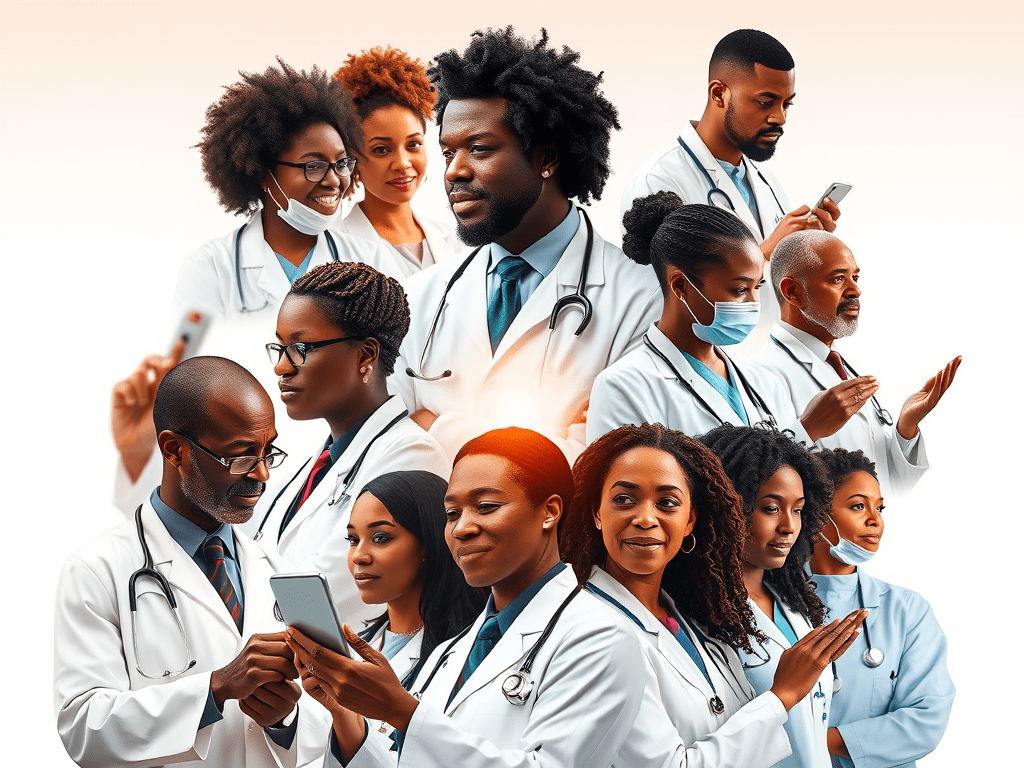
Throughout history, African American innovators have made significant contributions to the medical field, developing devices and techniques that have revolutionized and propelled the healthcare field forward. Recognizing these pioneers during Black History Month not only honors their legacy but also highlights the importance of diversity in driving medical advancements.
Pioneering African American Medical Inventors
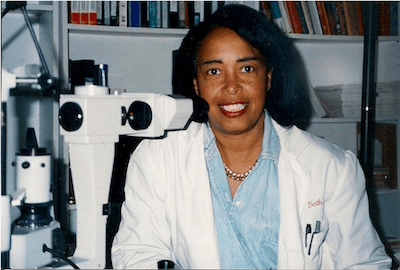
Dr. Patricia Bath
In 1986, Dr. Bath invented the Laserphaco Probe, a revolutionary device that utilizes advanced laser technology to effectively remove cataracts, thereby significantly improving the safety and efficacy of cataract surgery for countless patients around the world. This groundbreaking innovation not only revolutionized the procedure but also set new standards in ophthalmic care, emphasizing precision and reduced recovery times.
Dr. Bath was not only a remarkable inventor but also a trailblazer in the medical field, being the first African American woman to receive a medical patent. Furthermore, she shattered glass ceilings by becoming the first woman to head a post-graduate training program in ophthalmology, paving the way for future generations of medical professionals and inspiring many young women to pursue careers in medicine and surgery. Her contributions have had a lasting impact on the field and continue to influence ophthalmology practices today.
——————————————————–
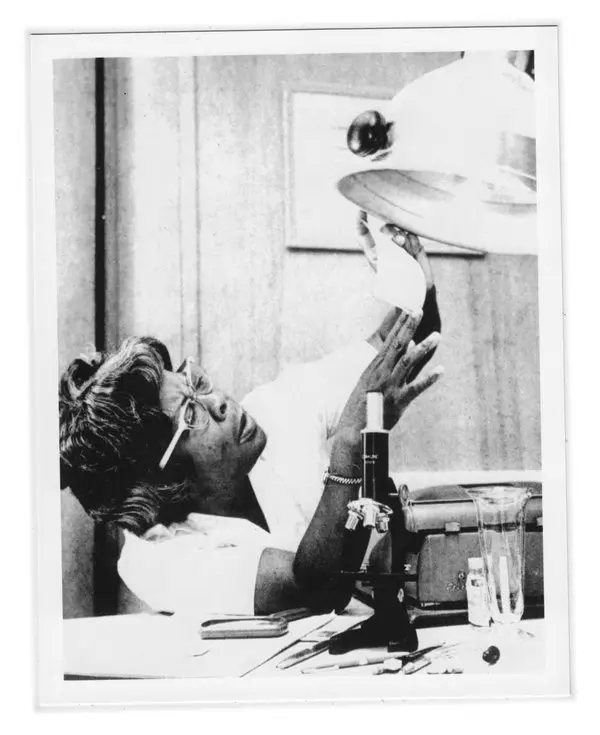
Bessie Blount Griffin
A physical therapist and inventive mind, Griffin developed an ingenious electric self-feeding apparatus that significantly aids amputees in feeding themselves independently, ultimately enhancing their quality of life and fostering a sense of autonomy among disabled veterans. Recognizing the everyday challenges faced by those with physical limitations, she meticulously designed this device to offer both functionality and ease of use.
In addition to her groundbreaking work in assistive technology, Griffin also created a disposable cardboard emesis basin, a product tailored to improve hygiene in healthcare settings and ensure patient comfort. This innovative basin not only addresses the hygiene concerns prevalent in medical facilities but also adds an eco-friendly dimension to standard practices, demonstrating her commitment to patient care.
——————————————————–
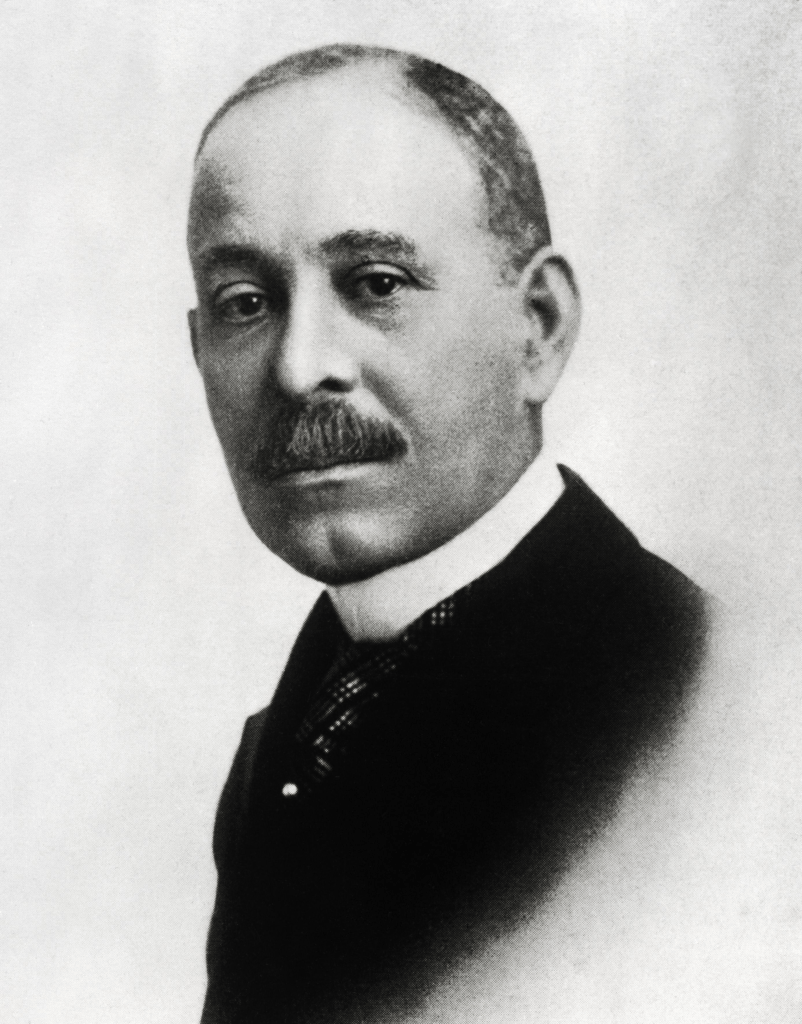
Dr. Daniel Hale Williams
In 1893, Dr. Williams performed one of the first successful open-heart surgeries, an extraordinary achievement that showcased his pioneering spirit and relentless dedication to improving patient outcomes. This groundbreaking procedure not only contributed significantly to the field of cardiac medicine but also inspired future generations of surgeons to push the boundaries of medical science.
In addition to his surgical advancements, Dr. Williams founded Provident Hospital, the first non-segregated hospital in the United States, which was a monumental step towards equality in healthcare. Provident Hospital served as a beacon of hope for many marginalized communities, providing essential medical services and education. The institution also included a training school for African American nurses, enabling them to gain valuable skills and challenging the prevailing racial barriers of the time, ultimately transforming the landscape of nursing and healthcare for years to come.
——————————————————–
Charles Richard Drew
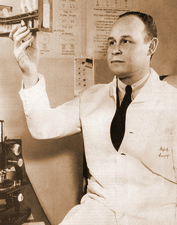
Dr. Charles Drew, known as the “father of the modern blood bank,” developed a revolutionary method for preserving blood plasma, which significantly improved the storage and transportation of blood during World War II. His innovative techniques not only ensured that blood could be safely preserved for extended periods but also facilitated the rapid mobilization of blood supplies to the front lines where they were desperately needed.
Drew’s pioneering work laid the essential foundation for modern blood banking and transfusion practices, ultimately saving countless lives. His contributions extended beyond just the technical aspects; he also championed the importance of equitable access to medical resources, advocating for the need to ensure that all patients, regardless of race or background, received the necessary medical care and blood transfusions. Through his dedication and expertise, Dr. Drew transformed the landscape of medicine and continues to inspire new generations of medical professionals.
——————————————————–
Mary Beatrice Davidson Kenner
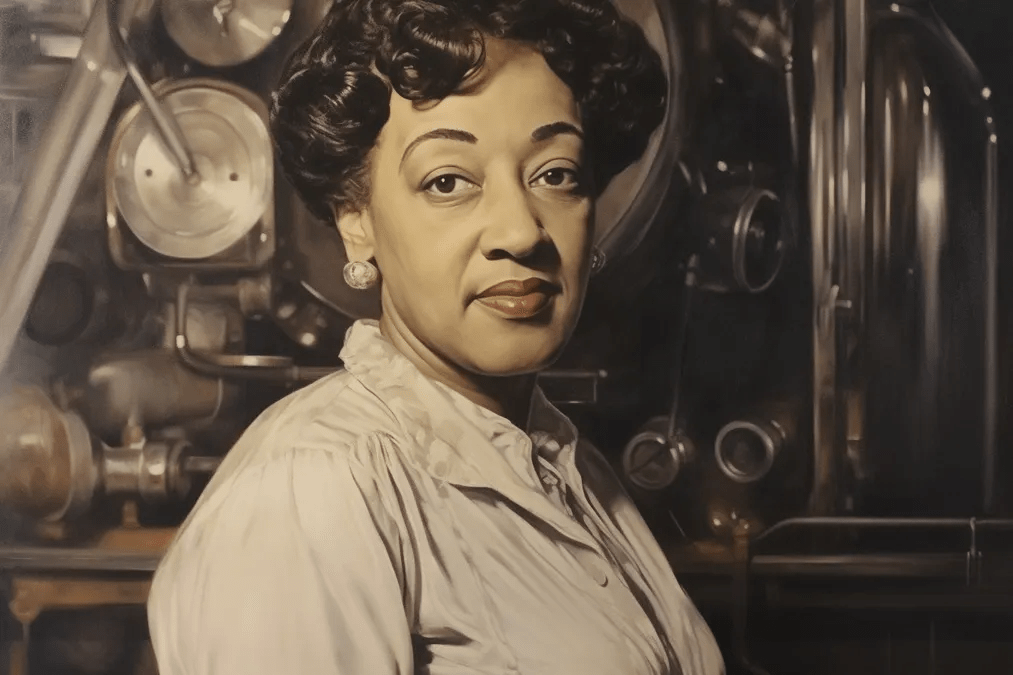
Mary Kenner was an innovative inventor who developed the adjustable sanitary belt, a significant precursor to modern sanitary pads. Her groundbreaking invention provided women with a more effective and comfortable means of managing menstrual flow, addressing the limitations of previous solutions available at the time. By combining practicality with comfort, Kenner’s design empowered women to experience greater freedom during their menstrual cycles, challenging the societal norms surrounding menstrual health and hygiene.
Despite facing numerous obstacles, including racial discrimination and lack of recognition, her contributions to women’s health remain invaluable, paving the way for future advancements in feminine hygiene products.
Kenner’s persistence and ingenuity serve as an inspiring reminder of the vital role that female inventors have played throughout history in improving the lives of women everywhere.
——————————————————–
The Importance of Highlighting African American Contributions
Celebrating the achievements of African American medical pioneers is crucial for several reasons:
Inspiration: Showcasing these innovators provides role models for future generations, encouraging young medical professionals from diverse backgrounds that it is capable from them to pursue careers in medicine and science. Despite societal barriers that they may face.
Acknowledgment: Recognizing their contributions corrects historical omissions and ensures that their work receives the appreciation it deserves. There are many other diverse medical professionals whose work has shaped and modeled the medical profession as we see it today. Their contributions need to be celebrated and honored, and they should continue to be highlighted.
Diversity in Innovation: Diverse perspectives lead to innovative solutions that push the boundaries of what’s possible. The unique experiences and insights of African American inventors have driven significant advancements, contributing to technologies and ideas that not only elevate the community but also benefit all of society as a whole. By embracing a variety of backgrounds and viewpoints, we can foster an environment ripe for creativity and groundbreaking discoveries.
Impact of Diversity, Equity, and Inclusion (DEI) Initiatives in Healthcare
DEI programs in healthcare aim to address disparities and promote a more inclusive environment where all individuals, regardless of their background, have equal access to healthcare services and opportunities for health equity. However, recent political actions have threatened these crucial initiatives, creating uncertainty about the future of diversity, equity, and inclusion efforts in this vital sector.
For instance, the Trump administration has taken steps to eliminate DEI programs within federal agencies, including healthcare institutions, which has significant implications for patients and providers alike. This move raises concerns about the potential regression in progress made toward reducing health disparities and ensuring that marginalized communities receive the quality of care they deserve. As healthcare advocates and professionals continue to navigate these challenges, the importance of sustaining DEI efforts remains paramount to fostering a healthcare system that serves everyone equitably.
Such actions can have detrimental effects:
Discouraging Future Innovators: A lack of support for diversity can significantly dissuade talented individuals from underrepresented backgrounds from pursuing careers in healthcare and medical research. This lack of encouragement not only stifles innovation but also perpetuates a system that fails to represent the diverse communities it aims to serve, leading to missed opportunities for groundbreaking discoveries and solutions that are culturally relevant and inclusive.
Hindering Progress: Eliminating DEI programs may significantly slow the advancement of minorities in the healthcare field, thereby reducing the diversity that fosters innovation and creativity. This decrease in diversity can lead to a homogeneous work environment, which often stifles new ideas and perspectives essential for addressing the complex challenges faced in healthcare today. Ensuring that diverse voices are included in healthcare can drive better outcomes for patients and communities as a whole.
Worsening Health Disparities: Without DEI initiatives, collective efforts to address health disparities that disproportionately affect minority populations may be significantly undermined, resulting in a cycle of inadequate healthcare access and poorer health outcomes. This lack of targeted intervention can exacerbate existing inequalities, contributing to an overall decline in community health and well-being.
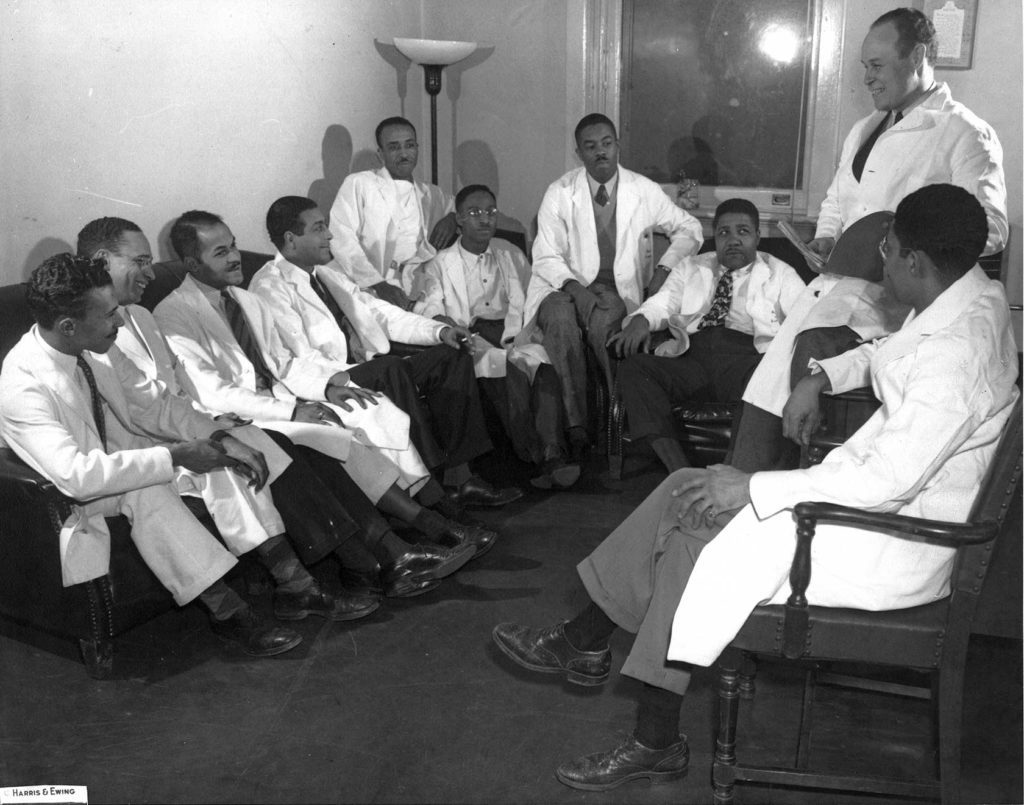
Honoring African American medical inventors during Black History Month is more than a celebration; it’s a recognition of the vital contributions that diversity brings to healthcare. Their groundbreaking innovations and discoveries have played a critical role in shaping modern medicine and improving health outcomes for communities across the nation.
As we reflect on these achievements, it’s essential to support and uphold DEI initiatives that continue to promote inclusivity and innovation in the medical field. This commitment not only fosters a richer understanding of medicine but also empowers future generations to explore the endless possibilities that diversity offers.
If you would like to learn about other African American medical trailblazers, feel free to explore these remarkable individuals: James McCune Smith, a pioneering physician and the first African American to earn a medical degree; Rebecca Lee Crumpler, the first African American woman to receive an M.D. degree; Ben Carson, a renowned neurosurgeon celebrated for his innovative surgeries.
Want to stay informed on the latest in healthcare? Subscribe to the UpNEXHeath blog and get notified when new articles are published!
FAQs –
Who was the first African American woman to receive a medical patent?
Dr. Patricia Bath was the first African American woman to receive a medical patent for her invention of the Laserphaco Probe in 1986.
What device did Bessie Blount Griffin invent to assist amputees?
Bessie Blount Griffin invented an electric self-feeding apparatus to help amputees feed themselves independently.
Why is it important to highlight African American contributions to medicine?
Highlighting these contributions provides inspiration, ensures proper acknowledgment, and emphasizes the value of diversity in driving medical innovation.
How do DEI initiatives impact healthcare?
DEI initiatives aim to reduce health disparities, promote inclusive environments, and encourage diverse perspectives that lead to medical advancements.
What are the potential consequences of eliminating DEI programs in healthcare?
Eliminating DEI programs can hinder minority advancement, exacerbate health disparities, and discourage future innovators from underrepresented backgrounds.
What is DEI in healthcare?
DEI stands for Diversity, Equity, and Inclusion in healthcare. It encompasses efforts to ensure that healthcare systems, policies, and practices are inclusive of people from all racial, ethnic, gender, and socioeconomic backgrounds. DEI aims to address disparities, foster equitable access to care, and create environments where patients and healthcare professionals feel respected and valued.
How to promote diversity, equity, and inclusion in healthcare?
Promoting DEI in healthcare involves:
Data Monitoring: Using data to identify disparities and measure progress in equity efforts.
Hiring Practices: Actively recruiting and retaining a diverse workforce.
Training: Implementing cultural competency and anti-bias training for healthcare professionals.
Community Engagement: Collaborating with underserved communities to understand and meet their unique needs.
Policy Reforms: Advocating for equitable healthcare policies and addressing systemic barriers.
What are the Black disparities in healthcare?
Black disparities in healthcare include:
- Higher Mortality Rates: Black individuals face higher rates of infant and maternal mortality.
- Chronic Diseases: Disproportionately affected by conditions like diabetes, hypertension, and heart disease.
- Access to Care: Limited access to quality healthcare and insurance coverage.
- Implicit Bias: Experiences of bias or discrimination in medical treatment, leading to mistrust and unequal care.
- Mental Health: Stigma and lack of culturally competent providers hinder access to mental health services.
Why is Black representation in the healthcare field so important?
Black representation in healthcare is critical because:
Innovation: Diverse teams bring varied experiences, leading to innovative solutions for complex health challenges.
Patient Trust: Patients are more likely to trust and seek care from providers who share their cultural background.
Cultural Competence: Black healthcare professionals bring unique perspectives that improve patient-provider relationships.
Health Disparities: Representation helps address health disparities and advocate for equitable treatment.
Inspiration: It encourages future generations to pursue careers in healthcare, fostering a more diverse and inclusive workforce.


 UPNEX HEALTH