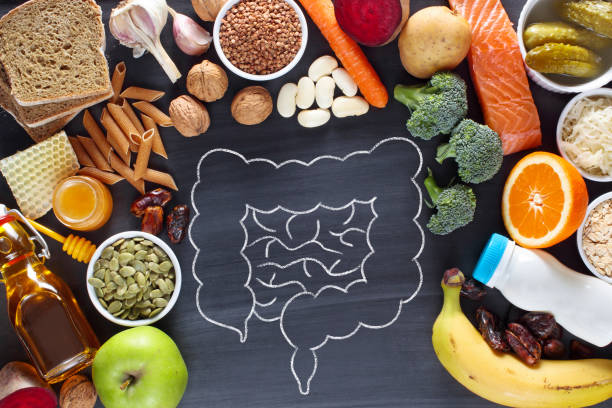
Did you know that maintaining a healthy gut is vital for your overall well-being? There are remarkable microorganisms residing in your digestive system that play a crucial role in regulating your gut health. These tiny organisms, known as the gut microbiome, are essential for effective digestion, a robust immune system, and even emotional balance. In this blog post, we will explore the significance of gut health, the numerous benefits of probiotics, and simple, natural ways to nurture your gut (and keep those little organisms happy and thriving).
The Importance of Gut Health
Your gut is home to trillions of microorganisms, including bacteria, yeasts, and viruses (Don’t freak out, not all bacteria is bad bacteria). This diverse community, known as the Gut Microbiome, not only aids in digesting food but also produces vital nutrients, supports the immune system, and communicates with your brain through the gut–brain axis.
What is the gut-brain axis?
The gut-brain axis is like a telephone that connects your stomach to your brain so they can talk to each other. When your stomach feels upset or happy, it sends messages to your brain, and your brain can also affect how your tummy works. This means that keeping your gut healthy can help you feel better overall.
How Probiotics Benefit Your Gut
Probiotics are live microorganisms that, when consumed in adequate amounts, can help restore and maintain a healthy balance of gut bacteria (and can even help reset your stomach health if needed, after 6-12 hours of fasting). Here’s how they contribute to overall wellness:
- Prevention of Gastrointestinal Disorders: Probiotics have shown promise in reducing the severity of conditions such as antibiotic-associated diarrhea and inflammatory bowel diseases.
2. Enhanced Digestion: Probiotics aid in breaking down food, making nutrients more readily available for absorption. They can help normalize bowel movements and reduce symptoms like gas, bloating, and constipation.
3. Immune Support: By strengthening the gut barrier and modulating immune responses, probiotics help protect against harmful pathogens and reduce inflammation.
4. Mental Health: Through the gut–brain axis, a balanced gut can positively impact mood and cognitive function, potentially alleviating stress, anxiety, and even depression.
Signs of Bad Gut Health
When your gut is out of balance, your body may signal it through various symptoms. Common signs include:
- Digestive Discomfort: Frequent bloating, gas, constipation, or diarrhea
- Low Energy Levels: Persistent fatigue or low energy
- Skin Issues: Conditions like acne, eczema, and rosacea
- Mood Changes: Increased anxiety, depression, or brain fog
- Frequent Illness: A weakened immune system, recurring colds or infections
- Food Sensitivities: Increased intolerance to certain foods
Top Probiotic Supplements on Amazon
For those looking to give their gut an extra boost, high-quality probiotic supplements can be a convenient option. Here are two popular choices with excellent reviews on Amazon:
Physician’s Choice Probiotics 60 Billion CFU
A high-potency supplement that delivers a robust blend of live, beneficial bacteria to help restore digestive balance and support overall gut health.
Zenwise Health Digestive Enzymes and Bromelain for Gut Health
Combines a spectrum of digestive enzymes with bromelain to improve nutrient breakdown and reduce digestive discomfort, making it easier for your gut to function at its best.
Please consult with your primary care provider before starting any new supplements.
Five Foods to Support a Healthy Gut Biome
In addition to supplements, incorporating probiotic-rich and gut-friendly foods into your diet is a natural way to nurture your microbiome. Consider adding these five foods to your daily routine:
Miso: This Japanese fermented soybean paste is a versatile ingredient that can be used as a soup base or flavor enhancer, delivering beneficial bacteria and umami flavor.
Yogurt: A classic source of live cultures like Lactobacillus and Bifidobacterium, yogurt can improve digestion and enhance nutrient absorption.
Kefir: This fermented milk drink is similar to yogurt but typically contains a broader spectrum of probiotics, making it excellent for restoring gut balance.
Sauerkraut: Made from fermented cabbage, sauerkraut is rich in lactic acid bacteria and fiber, both of which promote a diverse and healthy gut microbiota.
Kimchi: A spicy Korean fermented vegetable dish, kimchi provides not only probiotics but also antioxidants and vitamins that support overall health.
Prioritizing gut health is essential for maintaining overall wellness. By incorporating both high-quality probiotic supplements and gut-friendly foods, you can nurture your microbiome and reap significant health benefits. Whether you’re seeking better digestion, a stronger immune system, or enhanced mental clarity, a balanced gut is key to feeling your best.

Worse Foods for Gut Health
Just as certain foods can nurture your gut, others can actively disrupt your gut microbiota and contribute to dysbiosis (an imbalance in the different microorganisms living together in your stomach.). Foods to limit or avoid include:
- Highly Processed Foods: Items rich in refined sugars and unhealthy fats
- Artificial Sweeteners and Additives
- Excess Alcohol and Caffeinated Beverages
- Fried Foods and Fast Foods
- Certain Animal Products: For some individuals, high intake of red meat or high-fat dairy products
Replacing these with whole, fiber-rich, and minimally processed foods supports a diverse and balanced gut microbiome.
Why Preventive Health Matters
Globally, healthcare systems are grappling with rising costs and aging populations. Preventive healthcare not only improves individual well-being but also reduces the long-term burden on healthcare systems.
That is why it is important to take the initiative to prevent disruption of your gut health before it happens.
If you have any experiences or shared tips/tricks you would like to share for maintaining a healthy gut, we invite you to share them with us in the comments section of this blog!
Want to stay informed on the latest in healthcare? Subscribe to the UpNEXHeath blog and get notified when new articles are published!
FAQs –
What helps with gut health
Eating a balanced diet with plenty of fiber (like fruits, vegetables, and whole grains), adding probiotic foods or supplements, staying active, and drinking plenty of water all help keep your gut healthy.
What are probiotics?
Probiotics are live microorganisms, usually bacteria or yeast, that confer health benefits when consumed in adequate amounts. They help balance the gut microbiota and support various bodily functions, from digestion to immunity.
is kimchi good for gut health
Yes, kimchi is a fermented food that contains lots of good bacteria, which can help keep your gut balanced and support your digestion.
How do probiotics improve gut health?
Probiotics restore and maintain the balance of beneficial bacteria in the gut. They enhance digestion, modulate immune responses, reduce inflammation, and can even influence mental health through the gut–brain axis.
How long does it take to see improvements in gut health?
Results vary by individual and product. Some people may notice improvements in digestive regularity and reduced bloating within a few days, while for others, it may take several weeks of consistent use.
Should I consult my doctor before starting a probiotic supplement?
Yes, especially if you have underlying health conditions or are taking medications. Your healthcare provider can help you choose the right probiotic strain and dosage tailored to your needs.
What is a microbiome?
A microbiome is all the tiny living things—like bacteria, fungi, and viruses—that live in and on your body, especially in your gut, and help you digest food, fight off bad germs, and stay healthy.


 UPNEX HEALTH