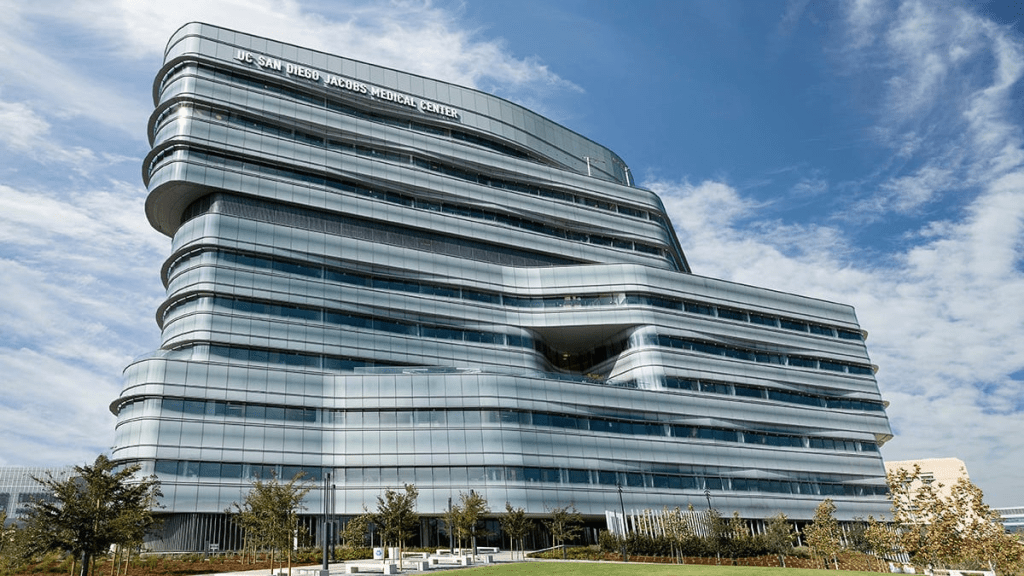
On my search this week, as I brainstormed potential topics for the blog, I stumbled across an article that discussed how more healthcare organizations are beginning to launch “innovation centers.” These centers act as hubs for creative thinking, pushing the boundaries of what is possible in healthcare. I couldn’t help but dig deeper, and that’s when I came across The Joan & Irwin Jacobs Center for Health Innovation at UC San Diego.
Founded in 2021, the Center for Health Innovation stands out to me as a center for producing cutting-edge technology to reshape healthcare. After a quick browse through their website, I found they are working on wearable devices, AI-powered platforms, Mental Health Apps, and attempting to crack the code of how to make communication between patients and care providers more seamless.
As you probably noticed from the title of this blog, I will be focusing on their works of the “Mission Control Center”
“Just imagine a NASA-style command center with multidisciplinary teams working together physically and virtually, within an immersive, real-time data experience.”
Breaking Down the Mission Control Center
To simplify the information I found and make it easily digestible for you (because there were a lot of “big words” that I was even confused about what this control center actually meant)….
The Mission Control Center will be a high-tech hub that allows healthcare professionals from different fields, both in person and remotely, to access real-time data, AI, and technology to continuously track patients, respond more quickly to medical emergencies, increase communication between healthcare providers, and improve the delivery of healthcare by making it more efficient and proactive.
How will it improve healthcare delivery? By also creating personalized treatment plans, integrating technology (like wearables, bedside monitors, and even video feeds), anticipating potential delays, and streamlining hospital workflows.
The hope is that this Mission Control Center will (using real-time data and AI) pinpoint bottlenecks in care, reduce wait time, ensure that the necessary medical teams are mobilized faster, and assist with routine administrative tasks in order to free up medical professional’s time so they can focus on direct patient care.
WHEW! That sounds like a heavy lift. So, let’s circle back and summarize.
AI Predictions
Identifies and analyzes real-time data. It can predict bottlenecks in patient care, such as delays in tests, patient flow, or emergency response.
Enhanced Communication
Allows information to flow seamlessly between different departments, physicians, nurses, and other healthcare workers.
Real Time Data
Consolidates and displays real-time data and predictive metrics, giving healthcare providers a live view of critical operations (monitoring patient flow, tracking surgery schedules and patient transfers, tracking wait times, etc.).
Remote Consults
Enables doctors and specialists to consult with affiliate hospitals via video chats for urgent cases.
Automatic Alerts
Smart devices and bedside monitors integrated into the system can send out automatic alerts when action is needed.
This Mission Control Center is on track to optimize the entire patient journey from hospital admission to discharge, and into home care.
The Impact on Healthcare Workers
There is no doubt that if the Mission Control Center is successful, it could be a significant game changer in addressing a HUGE problem that many people in the medical system don’t talk about enough: burnout. If a control center is developed to help lighten the load for healthcare workers by automating routine administrative tasks and streamlining patient monitoring, this could enable providers to refocus their attention on delivering care.
Typically, when patients encounter “hiccups” in their care or experience slower response times, it is nine times out of ten due to the care team being either understaffed or overworked. The reasons for these staffing issues are too deep to delve into in this blog (and I just don’t feel like giving you nor myself a headache to try to break down the issues within the healthcare system in one sitting), but I appreciate that someone is taking steps to address them.
I am excited to see more information that The Joan & Irwin Jacobs Center for Health Innovation releases to the public about what the Mission Control Center will look like and their steps and action plan for its unveiling. Transparency and engagement are essential for the community to grasp how this innovative facility will enhance health outcomes. The more information that is shared with the public, the better equipped they will be to understand and appreciate innovations like this.
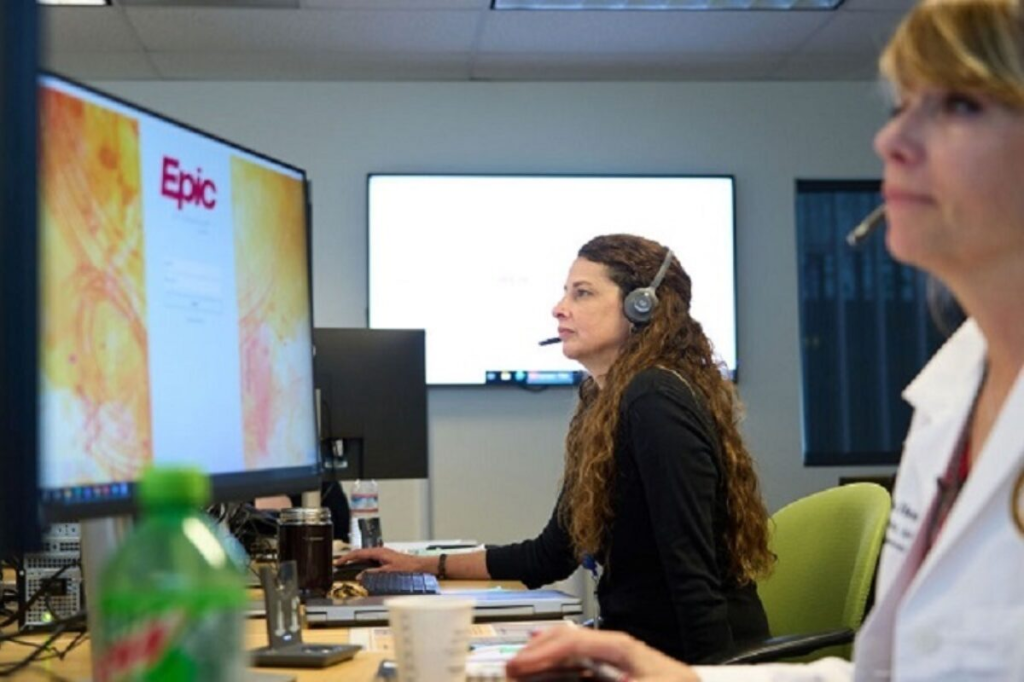
There isn’t too much information out just yet, but I believe we’ll see more details emerge in the upcoming year as the Mission Control Center progresses and The Center for Health Innovation continues to share updates on this exciting innovation.
When Will It Launch?
The first prototype of the Mission Control Center launched in spring 2024, and the fully operational hub is expected to go live in 2026 at the Jacobs Medical Center
What Do You Think?
I would love to hear your opinion of the Mission Control Center. Do you believe this tech-driven approach will help alleviate some of the biggest challenges healthcare professionals face today?
What other features do you think could enhance this kind of AI-driven center? Drop your ideas in the comments and let’s start a conversation!
If you would like to read up and learn more about the Mission Control Center, click the button down below:
Want to stay informed on the latest in healthcare? Subscribe to the UpNEXHeath blog and get notified when new articles are published!
FAQs –
What does the Mission Control Center do?
The Mission Control Center, developed by the Joan & Irwin Jacobs Center for Health Innovation at UC San Diego, leverages AI in the medical field by providing real time data to optimize patient care. It helps healthcare providers track patient data, respond quickly to emergencies, and streamline workflows to improve overall efficiency and care quality.
How does artificial intelligence in healthcare improve patient care?
AI in healthcare, especially within the Mission Control Center, enables real time monitoring of patient data, prediction of bottlenecks, and automation of routine tasks. This allows healthcare professionals to focus on providing care, improving patient outcomes and reducing burnout.
How is artificial intelligence in the medical field used in the Mission Control Center?
The Mission Control Center uses AI to monitor patient vitals, predict bottlenecks in care, and optimize resource allocation. AI tools also help with personalized treatment plans by analyzing data from various devices, such as wearables and bedside monitors.
Who will benefit from the Mission Control Center?
Both healthcare professionals and patients will benefit from the Mission Control Center. Providers will experience reduced administrative burdens, while patients will receive more personalized, timely, and effective care.
When is the Mission Control Center set to launch?
The first prototype of the Mission Control Center was launched in spring 2024. The fully operational center is expected to go live by 2026 at the Jacobs Medical Center.


 UPNEX HEALTH