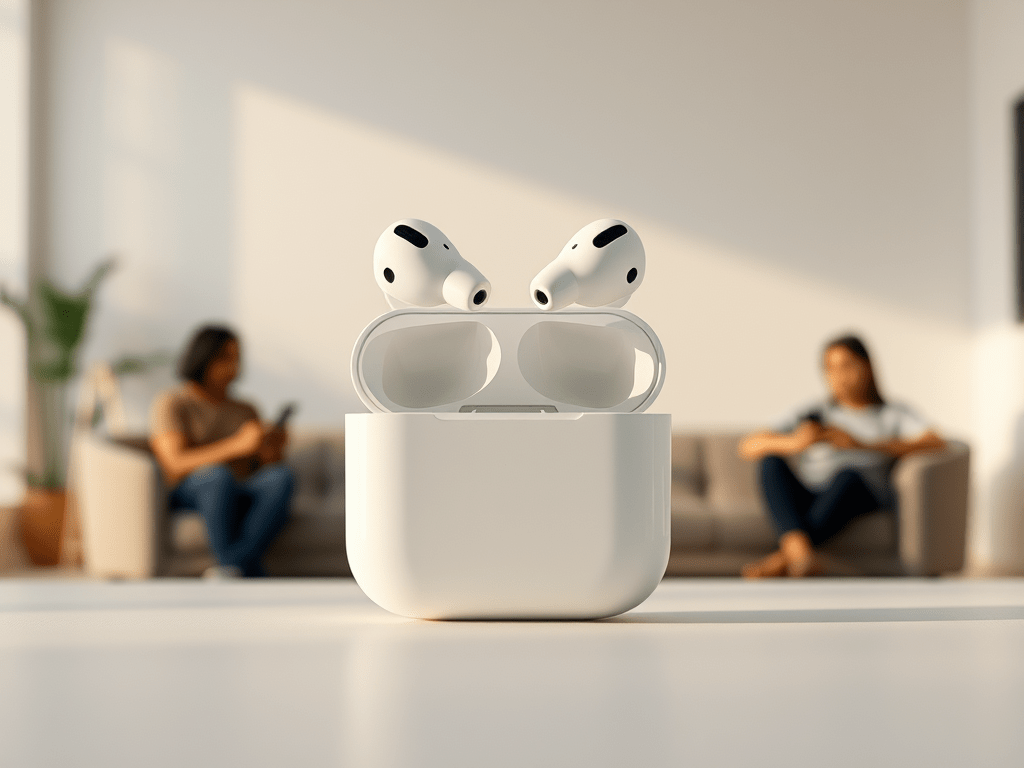
Apple may be on the cutting edge of the hearing health movement.
So, there I was, doing my usual late night TikTok scroll (you know, avoiding sleep), when I stumbled on a video that really got my wheels turning.
What was this groundbreaking video you ask? It was a video showcasing Apple’s new AirPods Pro 2 features. You’re probably thinking: “Okay, Niya, what’s so groundbreaking about Apple’s latest release? They launch new tech every year.” Well long story short, their AirPods Pro 2 can now function as “over the counter” hearing aids. That sounds pretty innovative to me.
So, let’s dive into what I discovered and what this could mean for hearing accessibility.
FDA Approval and Benefits for Mild to Moderate Hearing Loss
The main release from their launch I want to talk about is the “hearing aid feature,” which is designed to help individuals with mild to moderate hearing loss.
“Your AirPods Pro are transformed into personalized hearing aids, boosting the specific sounds you need in real time, like parts of speech or elements from your environment.”
Sumbul Ahmad Desai, Apple’s Vice President of Health,
explained during the launch announcement
If you didn’t already know, back in October 2022, the FDA established the over the counter (OTC) hearing aid regulations. This allowed adults with mild to moderate hearing loss to purchase OTC hearing aids without the need for a medical exam, prescription, or referral to an audiologist.

The FDA recently cleared Apple’s hearing aid feature (which is what allows the AirPods Pro to turn into hearing aids). The study included 118 participants who had perceived mild to moderate hearing loss. The results were that users of Apple’s hearing aid feature experienced benefits comparable to those who received a professional fitting from a provider. Additionally, the FDA reported that the trial showed no device related adverse events throughout the study (because the last thing we need is our AirPods exploding in our ears, right?).
The Accessibility Question: Are We Bridging the Gap?
One question I always ask when health tech innovation rolls out is this: Does this make healthcare more accessible?
Let’s look at the numbers. According to the Hearing Loss Association of America, more than 48 million Americans have some degree of hearing impairment. Out of this number, 1 in 5 people that would benefit from a hearing aid device, actually use it. (Use your hearing aids if you are reading this!!)
Comparing Costs: Hearing Aids vs. AirPods Pro 2:
According to the National Council on Aging, prescription hearing aids can range in cost from $99 to $7,000 depending on the model and features available. Also taking into account the expenses of visiting a primary care provider and/or audiologist, the whole process can be a “bit” pricey. In comparison, Apple’s AirPods Pro 2 are priced at $249 at retail, which could offer a more affordable option for those considering hearing assistance solutions, especially when combined with yearly sales and coupons.
Addressing Barriers to Hearing Health:
Now, for some individuals $249 can still be considered expensive, however, I do believe that Apple is taking a step in decreasing the barriers related to hearing health. There are several reasons why someone might be hesitant to use prescription hearing aids, ranging from the stigma attached to wearing them, to challenges in accessing providers, or even the discomfort of seeking care. Add to that economic disadvantages, lack of insurance, and the list goes on. Apple’s move could help address some of these challenges by merging hearing aid functionality into a widely accepted, everyday device.
The Role of Familiarity and Ease of Use:
This new feature can also help spark conversation about how to continue decreasing these barriers. The familiarity of AirPods adds a layer of comfort, making the technology more approachable for users. A study conducted at Samsung Medical Center in Seould highlighted how participants found the Apple AirPods Pro to be easy to use. The study emphasized how the headphone accommodation feature allowed users to effortlessly customize audio settings via their iPhone, adjusting amplification to suit their specific hearing needs. The user-friendly interface and seamless integration with iOS devices were key factors contributing to the overwhelmingly positive feedback on ease of use.
The Next Step for Apple: Customization for Long-Term Hearing Aid Use
No device is ever perfect, and that is why discussions like this are important.
While this is a significant leap ahead in making hearing aids more accessible, there’s still room for improvement. In my opinion, Apple’s next move should focus on making the AirPods Pro 2 more customizable for individuals using them as hearing aids over extended periods. Wearing a device all day for hearing assistance requires comfort, and fine-tuning features like noise isolation, customization of sound frequencies, and long-wear design could make a huge difference. Also, the ability for extended battery duration and cooling mechanism are other areas of interest.
I would also love to see Apple role out a training program for individuals who aren’t as “tech-savvy” of how to properly utilize this near feature and the benefits it can provide to individuals in their daily life. The room for education of this subject is endless, and if Apple positions themselves correctly, real discussions can start taking place surrounding hearing health. Moving on….

Some studies have pointed out certain limitations of the AirPods Pro 2 in their current form. One challenge is the device’s inability to properly differentiate between specific sounds, like car brakes, wind, or chewing, which can interfere with the user’s overall listening experience. Improved noise filtering and frequency adjustments would offer more refined control, making the AirPods more effective for everyday use.
I hope this launch and Apple’s new features will allow individuals with hearing impairments to start feeling seen and heard and I hope that we also start seeing innovations for individuals with significant hearing loss. Apple stated that these new features are set to release in fall 2024, and I highly recommend heading to their website to check out the other features I did not highlight as much in this blog which were the hearing test feature and hearing protection feature.
What’s Next for Hearing Health?
So, what do you think?
Could Apple’s latest launch be the tipping point for better hearing accessibility?
I would love for you to share your opinions and converse within this community. If you’ve found any recent studies on this topic, feel free to drop them in the comments. Let’s explore how tech innovations like this can continue to shape the future of healthcare together.
Want to stay informed on the latest in healthcare? Subscribe to the UpNEXHeath blog and get notified when new articles are published!


 UPNEX HEALTH