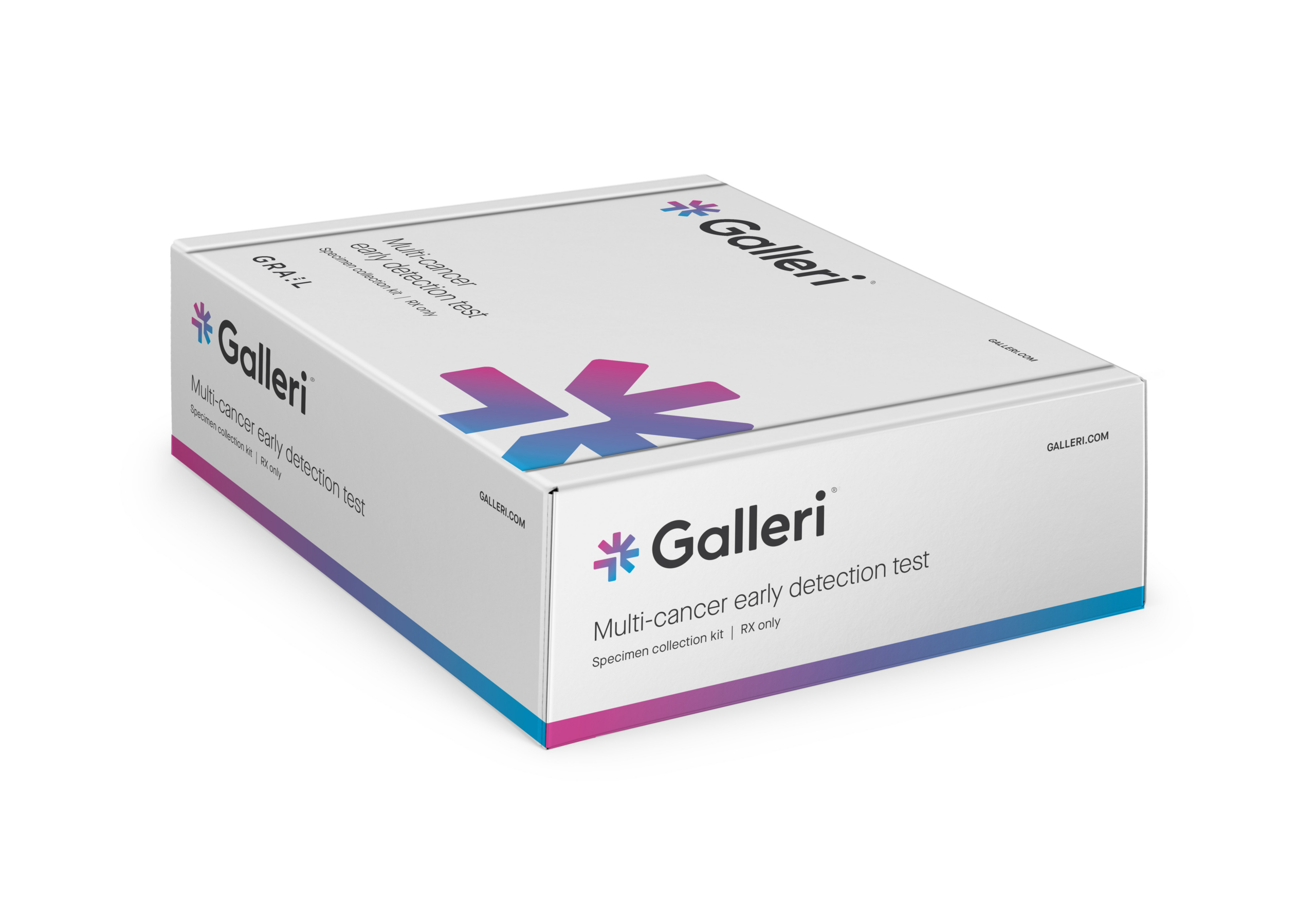
A blood test that looks for signs of many cancers at once just moved closer to a major regulatory milestone.
On September 23, 2026, an FDA advisory committee voted in favor of approval of GRAIL’s Galleri® multi-cancer early detection test, a blood-based screening test designed to detect cancer-specific methylation patterns in cell-free DNA. The test is intended for adults ages 50 and older and is designed to be used in addition to, not instead of, guideline-recommended cancer screenings.
That last part matters. This is not a replacement for mammograms, colonoscopies, cervical cancer screening, lung cancer screening, or other recommended tests. It is being positioned as an added layer: one blood draw that may help detect cancer signals from types of cancer that do not currently have routine screening options.
The FDA has not issued a final approval decision yet. Advisory committee votes are recommendations, not final rulings. The FDA explains that advisory committees provide independent expert advice, but the agency makes the final decision. Still, this is a big moment for cancer screening. If the FDA ultimately approves Galleri, it could mark a new phase for multi-cancer early detection, or MCED, testing in the United States.
What just happened
The FDA’s Molecular and Clinical Genetics Panel met to review GRAIL’s premarket approval application for Galleri. According to GRAIL’s announcement, the 10 voting members considered the test’s safety, effectiveness, and overall benefit-risk profile for screening adults ages 50 and older. The panel voted unanimously in support of safety, six to four in support of effectiveness, and seven to two, with one abstention, that the benefits outweigh the risks.
The test itself is not brand-new. Galleri is already available by prescription under CLIA laboratory regulations, but it has not yet been cleared or approved by the FDA. That distinction is important because FDA approval could affect how widely the test is adopted, how it is discussed in clinical guidelines, and whether it becomes easier to access through insurance coverage over time. Reuters reported that FDA staff did not raise major accuracy or safety concerns in briefing documents before the panel meeting.

Why a blood test for cancer is getting so much attention
Cancer screening has a simple goal: find cancer earlier, when treatment may be more effective. The challenge is that routine screening does not exist for many cancer types. We have established screening pathways for some cancers, such as breast, cervical, colorectal, and lung cancer in certain eligible groups, but many other cancers are often found only after symptoms appear.
Galleri is designed to look for cancer-specific methylation patterns in DNA fragments circulating in the blood. In plain language, the test is looking for molecular clues that may suggest cancer cells are present somewhere in the body. If a cancer signal is detected, Galleri is also designed to predict the likely cancer signal origin, meaning where that signal may be coming from, so clinicians can decide what diagnostic workup should happen next.
That is why this story is not only about one company or one test. It is about whether cancer screening could eventually move from checking for a handful of cancers one at a time to adding broader blood-based tools that look for signals across many cancer types.
The part patients should not miss
A test like this can sound simple: one blood draw, many cancer signals. But the real-world meaning is more complicated.
A positive result is not a cancer diagnosis. It means a cancer signal was detected and follow-up testing is needed. A negative result does not guarantee that someone does not have cancer. GRAIL’s safety information says the test does not detect all cancers, not all cancers can be detected in the blood, and false positive and false negative results can occur.
That makes communication extremely important. If these tests become more common, patients will need clear explanations of what the results mean, what they do not mean, and what should happen after a cancer signal is found. Without that context, a screening test can create confusion, anxiety, unnecessary follow-up, or false reassurance.
The promise: finding cancers that screening misses
The strongest case for MCED testing is the gap in current cancer screening. Some of the deadliest cancers do not have routine population screening tests. If a blood test can find some of those cancers earlier, it could change how patients enter the diagnostic process.
GRAIL says Galleri is supported by large studies, including PATHFINDER 2 in North America and the NHS-Galleri trial in England. The company also says that, in clinical studies, Galleri detected approximately four to seven times more cancers compared with standard of care alone, while maintaining a low false-positive rate and high cancer signal origin prediction accuracy.
That is the exciting part of the story: the possibility that a blood test could help find cancers that would otherwise stay hidden until symptoms appear.

The caution: detection is not the same as better outcomes
The harder question is whether finding more cancer signals ultimately leads to better outcomes for patients. Earlier detection is valuable when it leads to earlier, more effective treatment. But screening also has risks, including false positives, follow-up testing, cost, anxiety, and possible overdiagnosis.
That is why the regulatory conversation matters. Reuters noted that the FDA asked advisers to consider whether the evidence supports describing the test as an “early detection” test. Reuters also reported that a pivotal UK trial previously did not significantly improve early detection or reduce late-stage cancer diagnoses over three years.
That does not erase the test’s potential, but it does show why regulators, clinicians, and patients are watching closely. A screening test has to do more than sound promising. It has to show that its benefits outweigh its risks in the population where it will be used.
Why this is also a business-of-healthcare story
If Galleri receives FDA approval, the impact could reach beyond the lab. Approval could influence physician confidence, employer benefit decisions, health system adoption, payer coverage, and future investment in the MCED testing market.
Reuters reported that Galleri generated $136.8 million in U.S. revenue in 2025. That shows there is already demand, even before FDA approval. But broader adoption will likely depend on more than patient interest. It will depend on evidence, guidelines, coverage decisions, clinician workflow, and how follow-up testing is managed after a positive result.
This is where healthcare innovation becomes healthcare infrastructure. It is one thing to create a test. It is another to build a system around it that helps patients understand results, access appropriate follow-up, avoid unnecessary harm, and continue using existing recommended screenings.
What to watch next
The FDA is expected to make a final decision on Galleri’s premarket approval application in the coming months. GRAIL says it will continue working with the agency as the review process continues.
The next phase will be about more than whether the test is approved. It will be about how it is labeled, how clinicians are instructed to use it, how patients are counseled, whether payers cover it, and how real-world outcomes are tracked over time.
The bottom line
GRAIL’s favorable FDA advisory committee vote is a major moment for multi-cancer early detection testing. It does not mean Galleri is FDA-approved yet, and it does not mean a blood test can replace existing cancer screenings.
But it does mean one of the most closely watched cancer screening technologies is now closer to a possible FDA decision. The promise is meaningful: finding more cancers earlier, especially cancers without routine screening options. The caution is just as important: patients need clear information, clinicians need strong evidence, and the healthcare system needs a responsible way to manage what happens after a result.
The future of cancer screening may include blood tests like this. The question now is how carefully healthcare builds that future.
Want to stay informed on the latest in healthcare? Subscribe to the UpNEX Health blog and get notified when new articles are published!
FAQs
What is the Galleri test?
Galleri is a blood-based multi-cancer early detection test developed by GRAIL. It is designed to detect cancer-specific methylation patterns in cell-free DNA and predict where a detected cancer signal may have originated.
Did the FDA approve Galleri?
Not yet. An FDA advisory committee voted in favor of approval, but the FDA still has to make the final regulatory decision.
Does Galleri replace mammograms or colonoscopies?
No. GRAIL says Galleri is intended to be used in addition to guideline-recommended cancer screenings, not as a replacement.
Who is the test intended for?
The FDA advisory committee reviewed the test for screening adults ages 50 years and older. Patients should talk with a healthcare professional about whether any cancer screening test is appropriate for them.
What happens if a cancer signal is detected?
A cancer signal detected result is not a diagnosis. It should be followed by diagnostic evaluation by a qualified healthcare professional.
Can the test miss cancer?
Yes. GRAIL states that the test does not detect all cancers and that false negative and false positive results can occur.
Sources and References
GRAIL. “FDA Advisory Committee Votes In Favor of Approval of GRAIL’s Galleri® Multi-Cancer Early Detection Test.” GRAIL, 23 September 2026, https://grail.com/press-releases/fda-advisory-committee-votes-in-favor-of-approval-of-grails-galleri-multi-cancer-early-detection-test/.
U.S. Food and Drug Administration. “September 23, 2026: Molecular and Clinical Genetics Panel of the Medical Devices Advisory Committee Meeting Announcement.” FDA, 23 September 2026, https://www.fda.gov/advisory-committees/advisory-committee-calendar/september-23-2026-molecular-and-clinical-genetics-panel-medical-devices-advisory-committee-meeting.
Santhosh, Christy, and Padmanabhan Ananthan. “Grail Rallies as FDA Staff Flags No Major Concerns for Multi-Cancer Test.” Reuters, 21 September 2026, updated 23 September 2026, https://www.reuters.com/legal/litigation/grail-rallies-fda-staff-flags-no-major-concerns-multi-cancer-test-2026-09-21/.
GRAIL. “The Galleri® Multi-Cancer Early Detection Test.” GRAIL, https://grail.com/galleri-test/the-test/.